October 29, 2026
Choosing a local auto repair shop starts with understanding what your vehicle needs and which services are available. Tire replacement, tire maintenance, wheel alignment, brake service, diagnostic testing, and routine maintenance address different concerns. Reviewing a shop's service offerings and asking questions about recommended work can help you make an informed decision about maintaining your vehicle.
1. Essential Vehicle Maintenance
Identify Maintenance Priorities
Regular vehicle maintenance helps you monitor the condition of important components and identify issues that may need attention. Tire wear, changes in braking performance, warning lights, and unusual engine behavior can indicate a need for inspection or repair. Consider the symptoms you're experiencing and whether your vehicle is due for routine maintenance when deciding which services to arrange.
Understand Repair Recommendations
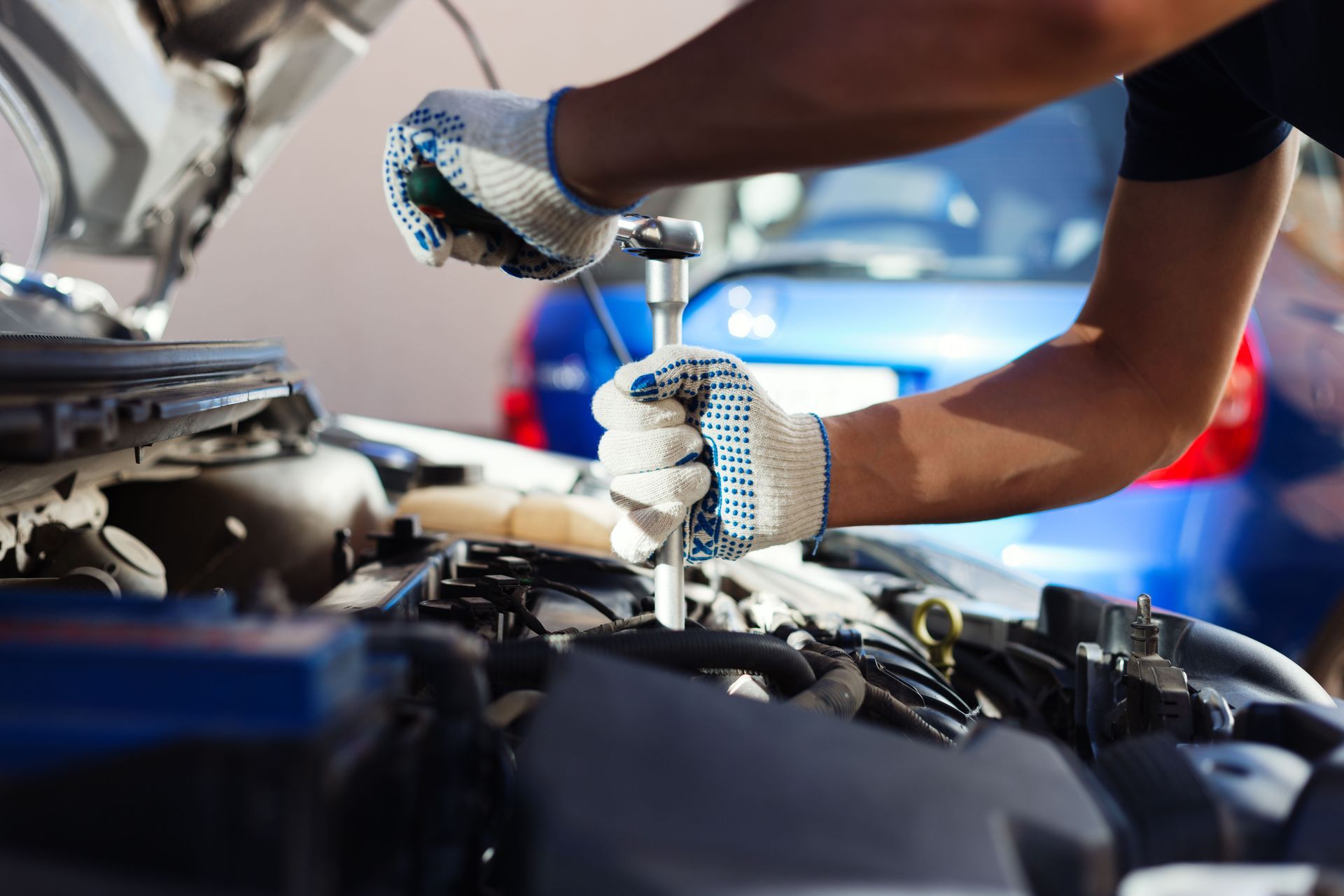
Understanding a repair recommendation helps you decide how to address a vehicle concern. When working with a local auto repair provider, ask which component needs attention, what the inspection revealed, and what repair is recommended. Diagnostic services and vehicle inspections can help identify problems and clarify the next steps for maintenance or repair.
Consider Your Driving Conditions
Different tire types serve different driving needs. All-season tires offer versatility for everyday driving, while winter tires are designed for cold-weather conditions. Performance tires emphasize handling, and all-terrain or mud tires suit different off-road conditions. Commercial and light truck tires are designed for the requirements of work vehicles and heavier applications.
Think about the road conditions you encounter most often and how you use your vehicle when comparing tire options. Daily commuting, driving in colder weather, traveling on unpaved roads, and carrying heavier loads can all influence which tire category may be appropriate. Matching tire type to your usual driving conditions can help you narrow the available choices and find an option suited to your vehicle's needs.
Choose the Correct Tire Size
Tire size is an important consideration when replacing tires. Check your vehicle's recommended specifications before selecting a replacement, and consider how you typically drive. Comparing appropriate tire options can help you choose products that fit your vehicle and intended use.
The correct tire dimensions help ensure that replacement tires are compatible with your vehicle. You can typically find the recommended size in the owner's manual or on the tire information label inside the driver's door area. Before purchasing new tires, confirm the size and compare suitable options with an automotive service professional to help avoid selecting tires that do not meet your vehicle's specifications.
2. Quality Automotive Services
Address Brake and Suspension Concerns
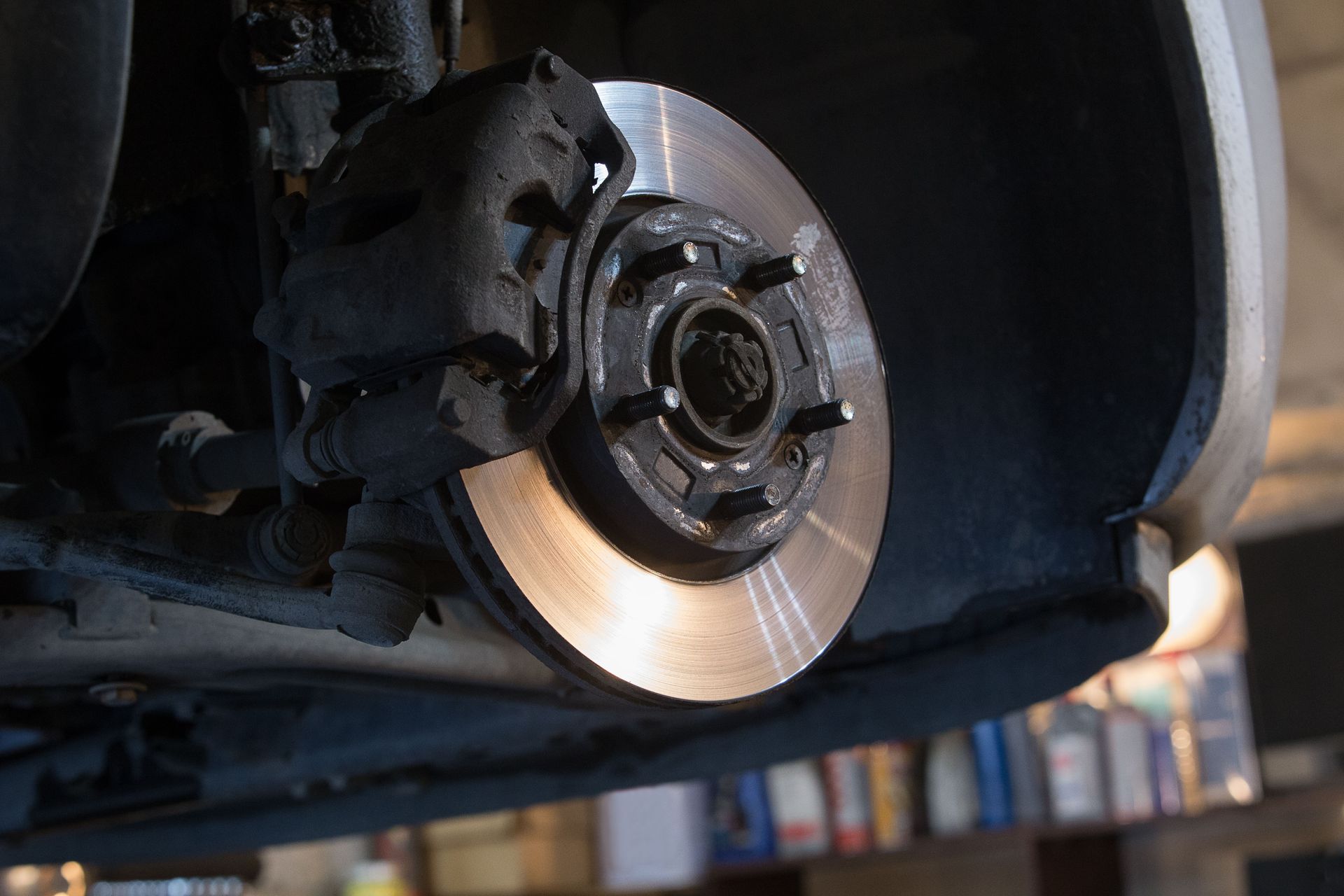
Brake and suspension components affect vehicle control and ride quality. Brake inspections can identify worn components, while brake pad replacement and rotor resurfacing address certain braking concerns. Suspension services may include shock or strut replacement, bushing repairs, and control arm repairs. Wheel alignment is another service to consider when addressing handling concerns or uneven tire wear.
Pay attention to changes in how your vehicle responds when braking, turning, or traveling over uneven roads. Vibrations, unusual noises, pulling to one side, or uneven tire wear may indicate that certain components need inspection. Having these concerns evaluated can help identify the source of the problem and determine whether brake repairs, suspension work, or an alignment service is appropriate.
3. Set Up A Maintenance Plan
Investigate Engine and Electrical Issues
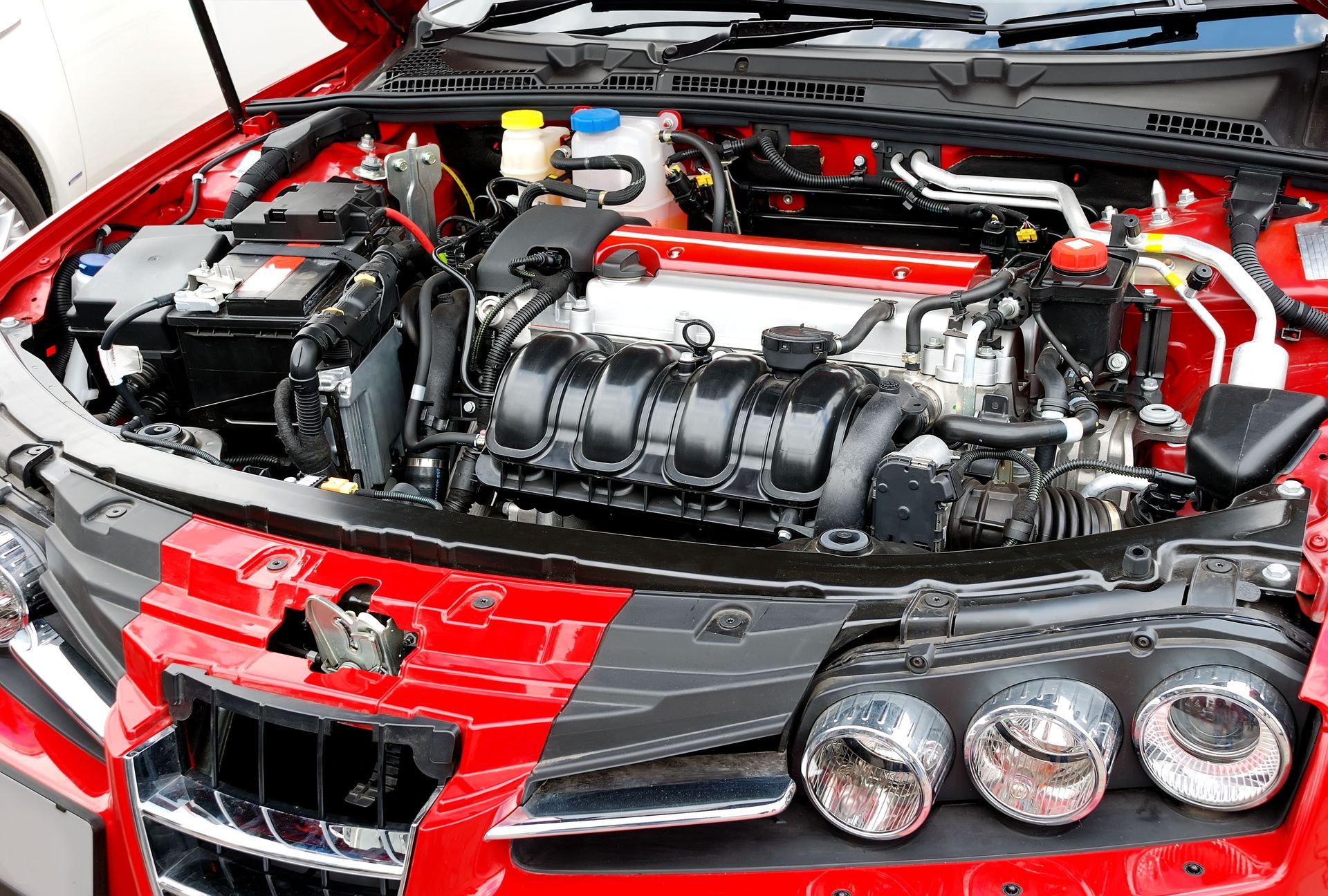
Warning lights, starting problems, and changes in engine performance can indicate issues that require diagnosis. Automotive diagnostic services can help investigate check engine lights, engine concerns, and electrical system problems. Depending on the findings, available repair services may include battery testing and replacement, belt and hose replacement, fuel system cleaning, or engine repairs.
When a warning light appears, or your vehicle begins behaving differently, take note of when the issue occurs and whether you notice any other symptoms. For example, difficulty starting, inconsistent performance, or electrical components that stop working can help technicians understand what needs to be checked. Diagnostic testing can help narrow down potential causes so the necessary repairs can be determined based on the vehicle's condition.
Maintain Heating and Cooling Systems
A vehicle's heating and cooling systems serve important functions. Radiator, cooling system, and heating system repairs can address problems affecting temperature regulation and cabin comfort. If you notice signs of overheating or changes in heating performance, an inspection can help identify the issue and determine what work may be necessary.
Changes in engine temperature, unusual smells, or inconsistent airflow from the vents can signal that a system needs attention. Ignoring signs of overheating can lead to more extensive engine problems, so it is important to respond promptly if the temperature gauge rises into the danger zone. An inspection can help determine whether the concern involves the radiator, another cooling system component, or the vehicle's heating system.
Maintain Tires and Fluids
Routine maintenance can include tire rotations, pressure checks, tread inspections, oil changes, filter replacement, and fluid checks. These services help you monitor the condition of important vehicle components and identify maintenance needs. Following the maintenance recommendations for your vehicle can help you plan appropriate service intervals.
Inspect Important Components
Vehicle inspections can help identify concerns that may not be immediately obvious during everyday driving. Depending on the inspection, technicians may assess tires, brakes, fluids, and other major systems. Battery testing, lighting checks, and windshield wiper replacement are additional services to consider when addressing common maintenance needs.
4. Convenient Service Planning
Describe Your Vehicle's Symptoms
Before arranging service, make a note of any warning lights, unusual sounds, changes in handling, or other concerns. Share these observations when requesting an inspection or diagnostic service. Clear descriptions can help the service team understand what you have noticed and determine which checks may be appropriate.
Ask About Transportation Options
Arranging transportation while your vehicle is being serviced can make maintenance easier to manage. Ask the shop about available transportation assistance and any arrangements you may need to make. A courtesy shuttle can help you plan around the time your vehicle spends in the shop.
Consider Service Turnaround
The time required for automotive service depends on the work involved. Tire installation and routine maintenance differ from repairs that require more extensive diagnosis or replacement of mechanical components. When arranging local auto repair, describe the concern clearly and ask about the expected timeframe for the work your vehicle needs.
Review Available Services
Before choosing an automotive service provider, review its listed services and consider whether they address your vehicle's needs. Tire sales, tire maintenance, wheel alignment, brake repair, diagnostics, and routine maintenance serve different purposes. Checking the available services can help you narrow your options and prepare relevant questions before scheduling a visit.
Consider Customer Reviews
Customer reviews can offer additional perspectives when evaluating an automotive service provider. Consider the experiences other customers describe, paying attention to the type of service they received and details relevant to your needs. Reviews can be one consideration alongside the listed services and their explanations of recommended repairs.
According to Orbital, there are 227, 418 active auto repair shops in America. This figure provides context for the number of businesses in the automotive repair industry. When evaluating local auto repair options, consider the services each shop lists and whether they match your vehicle's needs.
Keeping your vehicle in good condition starts with choosing services that match its needs. From tire inspections and wheel alignment to brake repairs and diagnostic testing, routine maintenance can help address a range of concerns. Before scheduling service, consider your vehicle's symptoms and discuss recommended repairs with your technician. To learn more about tire sales, automotive repairs, and maintenance in Riverside, visit Price Tires and explore our available services.