September 28, 2026
Every time you press down on the pedal, you trust that your car will come to a safe, controlled stop. This expectation relies on a complex network of components working in perfect harmony. However, many drivers take this essential system for granted, waiting until a catastrophic failure occurs before seeking professional help. While it is incredibly easy to postpone routine automotive maintenance, ignoring the immediate need for brake repair can lead to severe mechanical failures that go far beyond just replacing worn-out friction material. According to Bankrate, car brakes require service every 10,000 to 20,000 miles. By strictly adhering to this recommended schedule, you do much more than just ensure your safety on the open road; you actively shield your wallet from the astronomical costs associated with replacing damaged, interconnected car parts. In this comprehensive guide, we will explore exactly how staying proactive with your stopping systems protects your automobile from extensive and incredibly expensive collateral damage.
How System Knowledge Prevents Complete Brake Failure
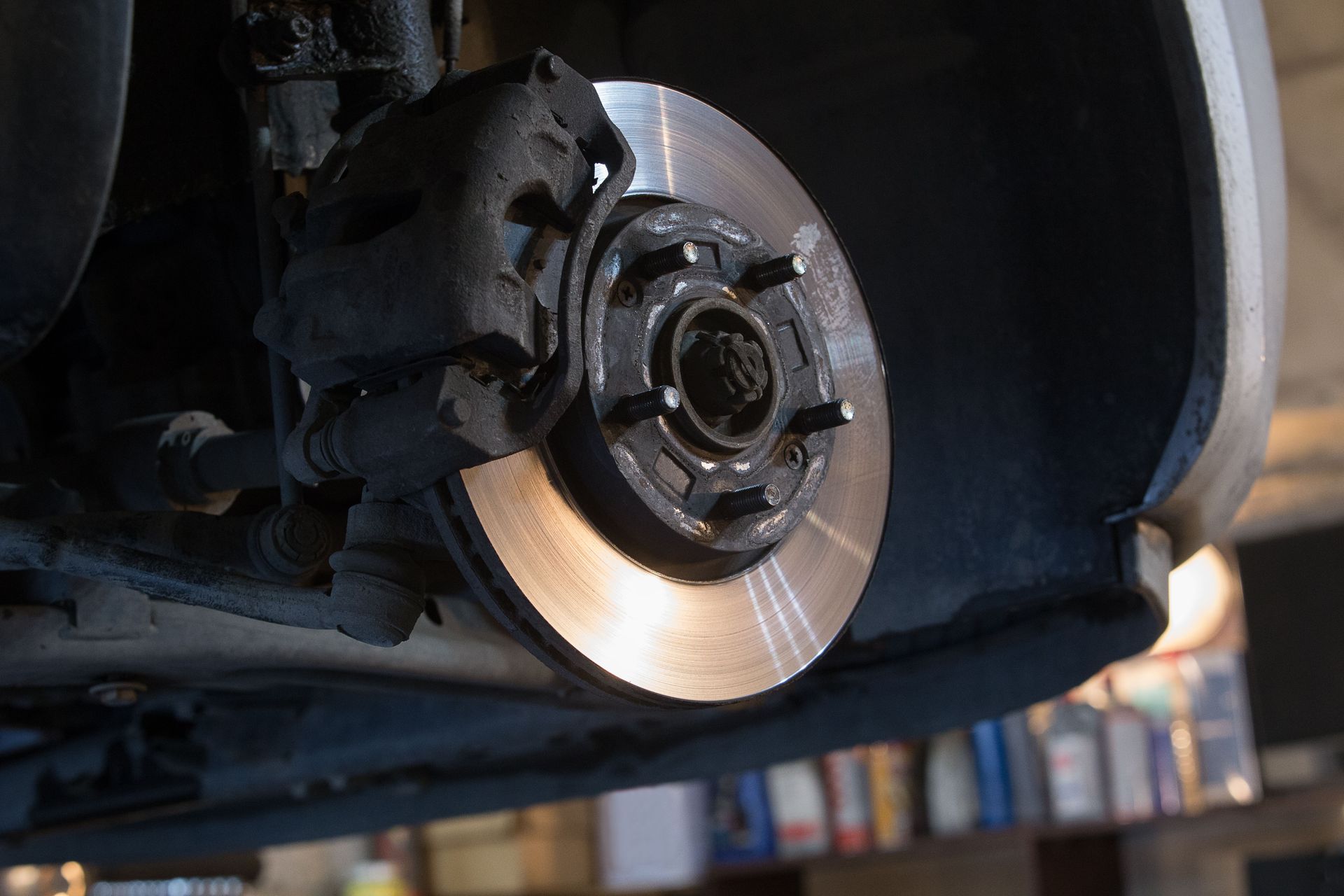
To truly appreciate how proactive maintenance saves you money, it is vital to first understand the anatomy of your stopping system. Modern vehicles utilize a highly pressurized hydraulic setup. When your foot applies pressure to the pedal, a specialized fluid travels through a master cylinder and down through various lines and hoses. This pressurized fluid forces heavy-duty calipers to clamp down. Housed inside these calipers are the pads, which feature a specialized high-friction material. These pads squeeze against the spinning metal rotors attached to your wheel hubs. The intense friction generated by this physical clamping action is what ultimately slows the rotation of the wheels and brings a heavy, fast-moving machine to a complete halt. Because this entire operation relies entirely on deliberate, high-heat friction, the components are intentionally designed to wear away over time. The pads are the primary sacrificial elements in this equation. If they are not replaced before their friction material is completely depleted, the underlying metal framework will begin to violently interact with other delicate, expensive mechanisms in the wheel assembly.
How Early Detection Prevents Catastrophic Mechanical Failure
Your automobile is engineered to communicate with you when it requires attention, and the braking components are no exception. The most common and easily identifiable indicator is a high-pitched squealing or squeaking noise when slowing down. This sound is actually an intentional design feature; a small metal wear indicator is built into the pad to physically scrape against the rotor when the friction material reaches dangerously low levels. If you ignore this auditory warning, the squeal will eventually evolve into a harsh, deep grinding noise. This aggressive grinding indicates that the pads are entirely gone, and raw metal is now grinding against raw metal. Other critical red flags include a spongy or soft feeling when pressing the pedal, which may indicate a dangerous leak in the hydraulic fluid lines. Additionally, if the steering wheel vibrates or shakes violently when slowing down, it is highly likely that the rotors have become warped due to excessive heat buildup. Catching these early symptoms and scheduling a timely brake repair is the absolute best way to isolate the damage to the inexpensive, consumable components.
How Pad Wear Causes Severe Rotor Damage
The rotors are the large, heavy metal discs that your wheel hubs are attached to, and they bear the brunt of the kinetic energy conversion during a stop. While they are built from durable cast iron or composite materials, they are highly vulnerable to permanent damage if the softer friction material on the pads is allowed to wear away completely. When the bare metal backing plate of an exhausted pad forcefully clamps onto the smooth surface of the rotor, it immediately begins to carve deep, irreparable grooves into the metal disc. Furthermore, the intense, unmitigated friction generates massive amounts of localized heat, which can easily warp the structural integrity of the rotor, causing it to lose its perfectly flat, true shape. Replacing a set of pads is a standard, highly affordable maintenance task. However, replacing severely gouged or heat-warped rotors can easily multiply the total cost of your mechanic's invoice. Addressing the issue early guarantees that these expensive discs remain smooth, safe, and functional for a much longer period.
How Extreme Heat Destroys Expensive Brake Calipers
The calipers are the robust mechanical housings that facilitate the actual clamping motion. Inside each caliper is a sensitive hydraulic piston (or multiple pistons) surrounded by delicate rubber seals. As the friction material on the pads wears down to dangerous levels, the caliper piston is forced to extend much further out of its housing than it was originally designed to. This overextension exposes the internal piston walls to dirt, moisture, road salt, and debris, which can rapidly cause corrosion. Furthermore, the immense heat generated by metal-on-metal grinding can easily melt or degrade the flexible rubber seals, leading to a catastrophic loss of hydraulic fluid. When a caliper becomes stuck, corroded, or begins to leak, it must be completely replaced or painstakingly rebuilt. Calipers are among the most expensive components in the entire wheel hub assembly. By securing a professional brake repair at the first sign of trouble, you keep the pistons operating within their safe, intended range and protect the expensive calipers from entirely avoidable destruction.
How Excessive Vibration Ruins Delicate Suspension Components
It is a common misconception that stopping components operate in total isolation. In reality, they are intimately connected to your vehicle's intricate steering and suspension systems. When a warped rotor causes intense shaking and violent shuddering during a stop, those aggressive vibrations do not just stay in the wheel; they forcefully travel up the steering column and directly into the chassis. Over time, these repetitive, unnatural vibrations place immense stress on sensitive suspension components, including the delicate tie rod ends, the robust ball joints, the heavy-duty control arms, and the precision wheel bearings. These parts are designed to handle the vertical impacts of driving over bumps, not the harsh, high-frequency lateral shaking caused by failing stopping mechanisms. Replacing ball joints, wheel bearings, and control arms is an incredibly labor-intensive and costly endeavor. A comprehensive brake repair ensures that stopping forces remain smooth and evenly distributed, effectively protecting the broader mechanical architecture of your car from premature structural fatigue and failure.
How Uneven Pressure Destroys Valuable Automotive Tires
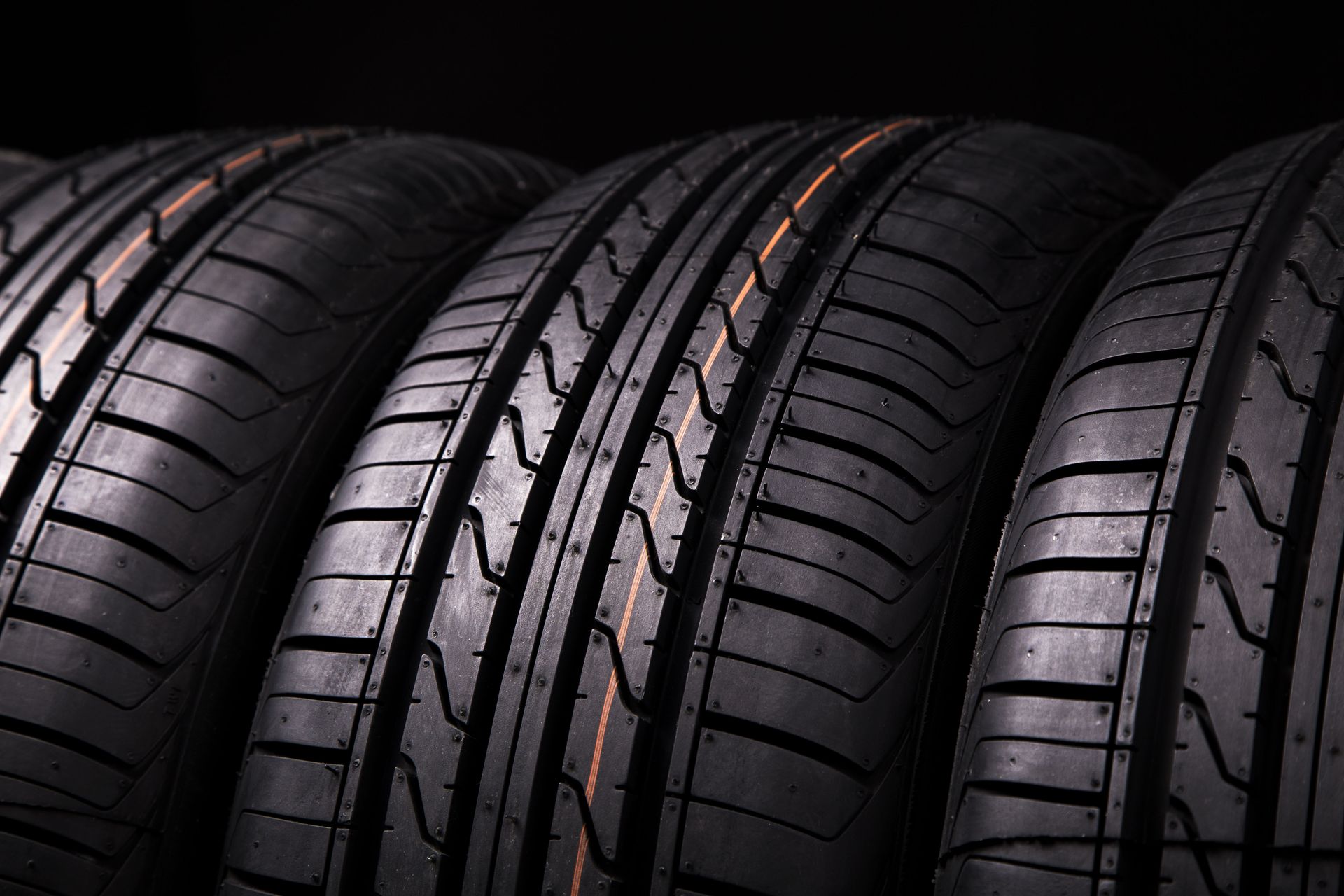
Your tires are the single point of contact between your heavy machine and the pavement, and their health is directly tied to the condition of your stopping mechanisms. When calipers stick or pads wear unevenly, the clamping force is no longer distributed symmetrically across the axle. This imbalance often causes one wheel to grab harder or lock up prematurely. As a result, the rubber on your tires can undergo a destructive process known as cupping, or it may develop flat spots from micro-skidding across the asphalt. Tires are a massive financial investment, often costing hundreds of dollars for a premium set. If your vehicle is pulling to one side or stopping with a jerky, inconsistent motion, the rubber tread is rapidly being scrubbed away in an irregular pattern. Committing to a prompt brake repair corrects this dangerous mechanical imbalance, ensuring that your expensive tires continue to wear evenly and reach their maximum intended lifespan without needing premature replacement.
How Documented History Protects Future Resale Value
Beyond the immediate mechanical and safety benefits, staying on top of scheduled maintenance has a profound impact on the long-term financial equity of your automobile. When it eventually comes time to trade in or sell your car, prospective buyers and dealership appraisers look very closely at the mechanical condition of the wheel assemblies. A vehicle that shudders, squeals, or pulls aggressively during a test drive immediately signals to a buyer that the car has been neglected. This often leads to steeply reduced offers, as buyers will immediately factor in the high costs of replacing rotors, calipers, and suspension parts into their negotiation strategy. Conversely, possessing detailed service records that prove you have consistently prioritized essential maintenance demonstrates that the vehicle has been treated with the utmost care. This documentation allows you to command top dollar on the used car market, effectively putting money back into your pocket when you are finally ready to upgrade to a newer model.
Do not leave your safety or your wallet to chance. Contact Price Tires and Service today to book your next appointment.