May 22, 2026
Understanding tire wear is crucial for every driver to ensure safety and longevity of their vehicle. This article explores the various signs of tire wear that drivers should regularly check to avoid potential dangers on the road. Regular maintenance and inspection are paramount in preventing accidents and maintaining optimal driving performance. By recognizing tire wear early, drivers can take action to remedy any issues, thereby extending the life of their tires.
When tires are neglected, the risk of road incidents increases exponentially. Modern vehicles rely on sophisticated suspension and braking systems, but even the best technology cannot compensate for a set of tires that has lost its structural integrity. Beyond the safety aspect, keeping an eye on your tires helps you identify other mechanical issues that might be developing elsewhere in your car. Many drivers overlook the fact that tire wear patterns are often symptoms of deeper problems, such as worn suspension bushings or bent wheels.
Monitoring Tread Depth Regularly
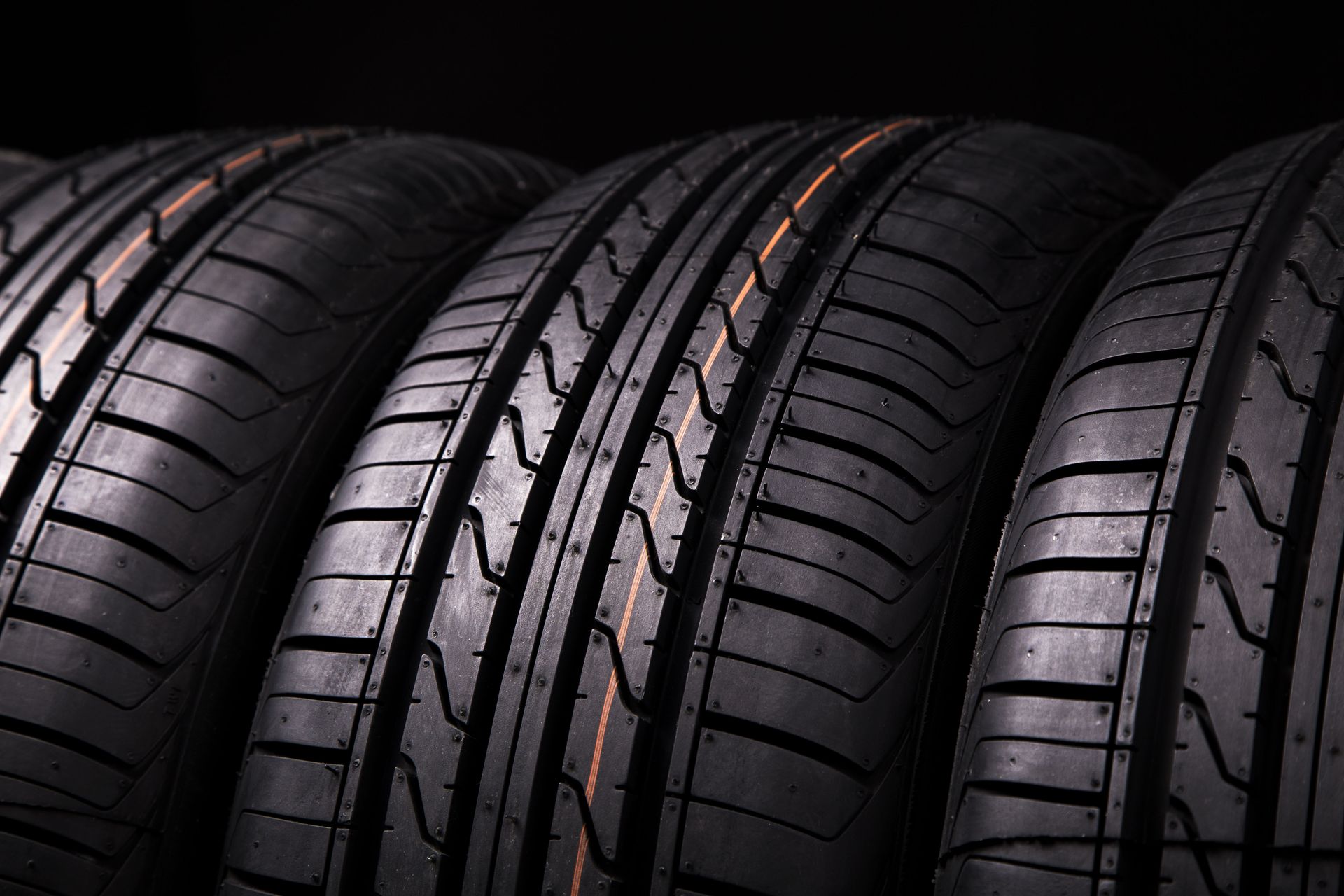
Tread depth is a key indicator of a tire's health, and correctly identifying it can help prevent accidents. The deeper the tread, the better the tire is at channeling water away, ensuring better traction and grip. According to the U.S. Tire Manufacturers Association, you should visit a tire shop if your tread wears down to 2/32nds of an inch. To measure tread depth, drivers can use a tread depth gauge or perform a simple penny test. Prompt action based on tread depth can ensure vehicle safety on the road.
When the tread becomes too shallow, the tire loses its ability to grip the road effectively, especially in rainy or snowy conditions. This experience often occurs gradually, and a driver might adapt to the worsening performance without realizing how dangerous the situation has become. Using specialized tools can provide a more accurate measurement than the naked eye. In many regions, local auto repair services offer quick tread checks as part of a routine oil change or safety inspection. Monitoring these levels ensures that you are never caught off guard by a sudden loss of traction during a storm.
Identifying Uneven Wear Patterns
Uneven tread wear is often an indication of improper alignment or balance issues. A misaligned vehicle can cause certain areas of a tire to bear more load, leading to premature wear. This not only reduces tire life but also impacts fuel efficiency and handling. Another cause of uneven tread wear is inconsistent tire pressure, which can cause different areas of the tread to wear down at varying rates.
It is crucial for drivers to routinely check tire pressure and alignment to ensure uniform wear. When you notice that one side of the tire is wearing faster than the other, it is a clear signal that the wheels are not pointing in the correct direction. Seeking local auto repair services to perform a professional alignment can rectify these issues before the tire is completely ruined. Mechanics use specialized computers to ensure that the wheels are perfectly parallel to each other and perpendicular to the ground.
Inspecting For Cracks And Bulges
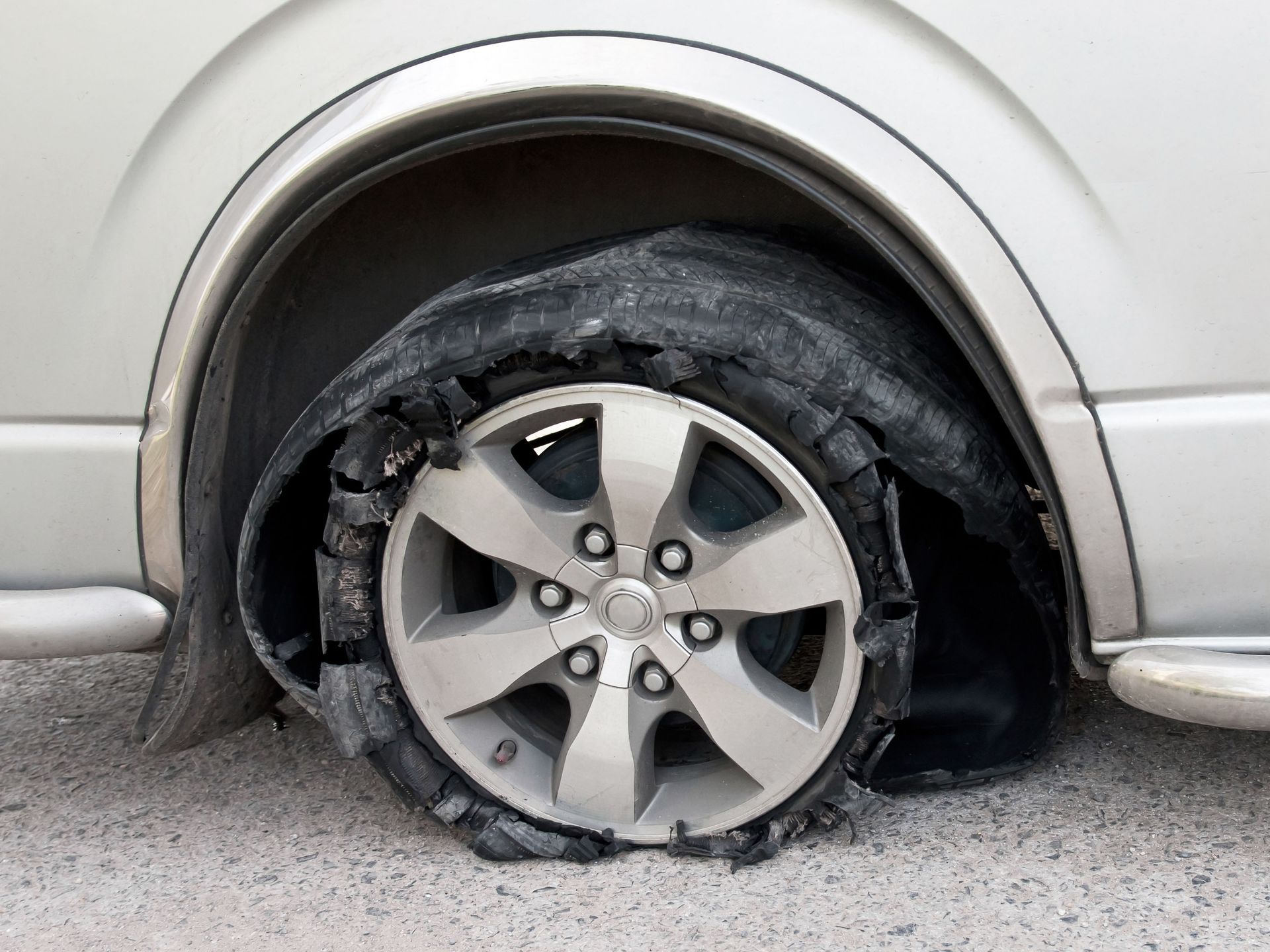
Tire cracking often stems from prolonged exposure to environmental factors such as UV radiation, ozone, and harsh weather. As tires age, the rubber loses its elasticity and becomes more brittle, predisposing it to cracks and fissures. Consistent underinflation accelerates this cracking process by placing undue stress on the tire sidewalls. Over time, this wear compromises the structural integrity of tires, making them more susceptible to blowouts or other failures. Regular tire care and protection from harsh elements can mitigate the risk of cracking.
Sidewall cracks are particularly concerning because the sidewall is the part of the tire that supports the weight of the vehicle. If the rubber begins to dry out and split, it can no longer hold the internal pressure safely. Similarly, bulges or bubbles in the sidewall indicate that the internal carcass of the tire has failed. Driving on a tire with a bulge is extremely risky and requires immediate attention from local auto repair services. Unlike tread wear, which happens over thousands of miles, a bulge can appear instantly after a single bad bump.
Evaluating Vibration and Road Noise
A vehicle producing unusual noises such as thumping or vibrations often points to tire issues needing attention. Such symptoms could be due to internal tire damage or uneven wear, urging a comprehensive check-up. Poor traction, especially noticeable on wet or icy roads, is another crucial indicator of tire wear. When a tire no longer grips the road adequately, it poses a risk in hazardous conditions. Addressing these indicators with prompt replacements can evade trouble and ensure vehicle safety. If you feel a rhythmic shaking in the steering wheel at certain speeds, it often indicates that the tires are out of balance.
Over time, the weights attached to the wheel can fall off, or the tire can develop heavy spots as the rubber wears down. This vibration is not just an annoyance; it puts excessive stress on the wheel bearings and suspension components. Local auto repair services have high speed balancing machines that can detect these imbalances and correct them by adding small weights to the wheel rim. Road noise is another auditory clue. If your tires have developed a cupping pattern, which looks like scalloped dips in the tread, they will produce a loud roaring sound that gets louder as you speed up. This is usually caused by worn out shocks or struts that allow the tire to bounce excessively on the road.
Assessing Aging Rubber Hazards
Even if a tire has plenty of tread left, it can still be dangerous if it is too old. Rubber is a natural material that degrades over time through a process called oxidation. Most manufacturers recommend replacing tires every six to ten years, regardless of how many miles they have driven. You can find the age of a tire by looking at the DOT code on the sidewall, which provides the week and year of manufacture. Tires on vehicles that are rarely driven, such as classic cars or trailers, are particularly prone to aging issues.
The rubber becomes hard and loses its ability to grip the road, which can lead to skidding during emergency braking. This hardening also makes the tire more brittle and likely to develop the cracks mentioned earlier. When you visit local auto repair services, they can help you decode these markings and determine if your tires are past their prime. It is a common mistake to assume that a tire with deep tread is safe, but old rubber can fail catastrophically without warning. Environmental factors like extreme heat can accelerate this aging process, making it even more important for drivers in warm climates to be vigilant.
Tire maintenance is a non-negotiable aspect of responsible vehicle ownership. By staying alert for signs of tread depletion, uneven wear, and structural damage, you protect yourself and everyone else on the road. Modern tires are engineered for durability, but they still require a watchful eye to perform at their peak.
Regular inspections allow you to catch small issues before they become expensive disasters, and they provide peace of mind during long journeys. If you have noticed any of the warning signs discussed, such as vibrations, visible cracks, or shallow tread, do not wait for a blowout to occur. Contact Price Tires today to schedule a comprehensive inspection. Our team specializes in high quality
local auto repair services to keep your vehicle running smoothly and safely. Your safety is our priority, and we are here to help you choose the right tires for your driving needs.