August 27, 2026
Your vehicle is a complex machine made up of thousands of moving parts, but only one component makes direct physical contact with the road. That component is your set of tires. Having high-quality, properly maintained rubber on your wheels is an absolute necessity for ensuring maximum safety, optimal performance, and improved fuel efficiency on all your daily commutes. Standard wear and tear will inevitably break down the materials and degrade the tread over time, no matter how carefully you drive. Every driver eventually faces the need to purchase new tires. Recognizing the exact moment to make this important investment can save you from dangerous blowouts, extended stopping distances, and compromised handling during severe weather. When your tread wears thin, your vehicle loses its grip, leaving you vulnerable to hydroplaning. In this comprehensive guide, we will explore the critical signs indicating that it is time to upgrade your rubber for a safer driving experience.
Inspect the Tread Depth
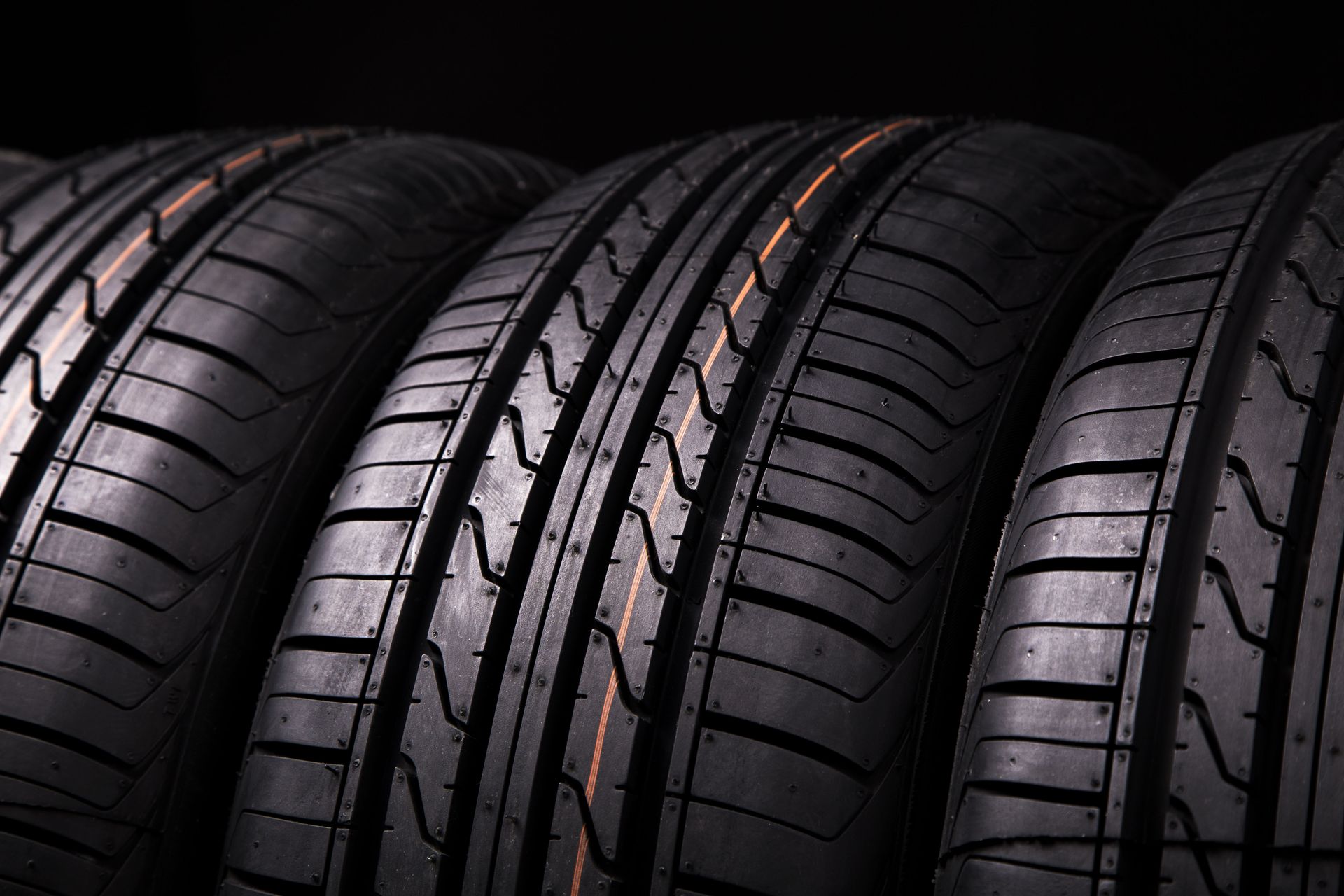
The most recognized indicator of a degraded contact patch is insufficient tread depth. The grooves on your tires are specifically engineered to channel water away from the surface, allowing the rubber to grip the asphalt. When these grooves become too shallow, your risk of hydroplaning increases exponentially. Many drivers heavily depend on the classic penny test to visually check their depth, but automotive safety experts offer much more precise guidelines. According to Car and Driver, wear is a far more straightforward consideration: Tiremakers and safety advocates say a tire is worn out when its tread depth reaches 2/32 of an inch. Driving on completely bald rubber severely compromises your ability to stop quickly in emergencies. If you measure your tread and find it at or below this critical threshold, you must prioritize finding new tires to restore your vehicle's stopping power and ensure that your daily driving remains safe.
Evaluate the Tire Age
Even if you only drive your vehicle occasionally and the tread looks perfectly deep, rubber degrades naturally as time passes. Constant exposure to ultraviolet rays from the sun, extreme temperature fluctuations, and environmental ozone will cause the structural integrity of the rubber compounds to break down. This aging process leads to a dangerous condition known as dry rot, manifesting as almost invisible cracks along the surface and within the grooves. Most manufacturers and safety experts strongly recommend replacing any tire that is older than six years, regardless of how many miles it has actually traveled. You can determine the exact age of your current set by checking the Department of Transportation code printed on the sidewall, which ends in a four-digit number representing the week and year of manufacture. Investing in new tires before the rubber completely degrades is a vital preventative measure for long-term safety.
Recognize the Wear Patterns
Inspecting the overall condition of your contact patch involves far more than just measuring the deepest grooves; you must carefully analyze exactly how the rubber is wearing down across the entire surface. If you notice that the inner or outer edges are wearing down much faster than the center, or if there are noticeable cupping marks, your vehicle is likely suffering from an underlying mechanical issue. Uneven wear drastically reduces the total lifespan of the rubber and severely diminishes your handling capabilities. Often, this abnormal wear indicates that your vehicle urgently needs a professional wheel alignment or a thorough check of the suspension system. However, if the uneven wear has permanently compromised the structural safety of the tread, it is recommended to explore professional new tire sales and invest in new tires immediately to protect your vehicle.
Identify the Sidewall Damage
The sidewall is an incredibly critical structural area that requires your frequent, careful attention. While the thick tread handles the intense friction of the road, the much thinner sidewalls bear the full weight of the vehicle and flex constantly as you drive over bumps, potholes, and debris. You should routinely inspect the outer facing of your wheels for deep gouges, severe scrapes, sharp cuts, or unusual bubbling and bulging. A prominent bulge on the sidewall indicates that the internal cords and structural belts have been permanently damaged, often due to a harsh impact with a curb. Unlike a simple puncture in the center of the tread, which can sometimes be safely resolved with a standard flat repair, severe sidewall damage is completely unrepairable. A compromised sidewall is essentially a ticking time bomb. In these severe cases, purchasing new tires is the only viable solution to guarantee structural safety.
Feel the Unusual Vibrations
Your vehicle constantly communicates vital mechanical information with you through the steering wheel, the brake pedal, and the floorboards. While a minimal amount of road noise and slight vibration is completely normal on rough, unpaved asphalt, excessive shaking is a clear warning sign of trouble. If you experience intense vibrations that worsen significantly as you accelerate to higher speeds, you might be dealing with unbalanced wheels, bent rims, or dangerous internal tire damage. Sometimes, a relatively simple tire balancing procedure or suspension services will completely resolve the shaking and fully restore your smooth ride. However, if the internal metal belts have physically shifted or separated due to severe impact or prolonged wear, no amount of professional balancing will fix the problem. When a technician determines that internal structural damage is the root cause of the aggressive vibration, outfitting your vehicle with new tires is absolutely mandatory for stable driving.
Schedule the Necessary Maintenance
Proactive automotive care is unequivocally the single best strategy for extending the life of your rubber and maximizing your automotive investment. Neglecting routine upkeep causes your tread to wear out much faster than the original manufacturer intended. To get the maximum mileage out of your current set, you should prioritize regular visits to a dedicated professional auto shop. Simple procedures like a routine tire rotation will ensure that the front and rear tires wear evenly over extended periods. Additionally, utilizing a proper tire pressure check service will prevent under-inflation, which inherently creates damaging heat and degrades the outer edges. Over-inflation is equally damaging, causing the center of the contact patch to bear the entire load. By keeping up with routine checkups and fluid exchanges, you easily maintain your vehicle's health. When maintenance checks reveal that your tread is entirely spent, transitioning to new tires becomes a planned, stress-free process.
Your personal safety on the road should always remain your absolute highest priority, and adequately maintaining the only part of your vehicle that physically touches the pavement is non-negotiable. Whether you are dealing with severely worn tread, dangerous dry rot from advanced age, unrepairable sidewall bulges, or intense vibrations at highway speeds, ignoring these critical warning signs will only put you and your passengers in danger. Recognizing the correct moment to replace your degraded rubber guarantees that you maintain total driving control during harsh weather, emergency braking scenarios, and routine commuting. If you are ever unsure about the current structural condition of your tread, having a professional automotive technician thoroughly inspect your vehicle will provide you with lasting peace of mind. Upgrading to a fresh set restores your vehicle's overall performance, handling, and efficiency. When you are finally ready to invest in new tires and experience a safer, smoother ride, contact Price Tires.