July 28, 2026
Commercial vehicles play an essential role in keeping businesses moving, making tire maintenance one of the most important aspects of fleet reliability. Tires affect traction, steering response, braking performance, fuel efficiency, and overall operating costs. Even the most dependable commercial trucks rely on properly maintained tires to perform consistently throughout demanding workdays.
Routine inspections and scheduled service help identify concerns before they develop into larger problems that interrupt business operations. Changes in weather, heavy loads, frequent stops, and long highway routes all place significant stress on commercial tires over time. Maintaining them supports dependable performance while helping companies avoid unnecessary downtime.
The commercial tire industry continues to serve an important role across the country. According to IBISWorld, the U.S. tire dealer industry is projected to reach approximately $46.6 billion in 2026, reflecting the ongoing demand for professional tire products and services from businesses operating commercial vehicles. As fleets continue to grow, investing in the best new tires and professional maintenance remains an important part of long-term vehicle management.
Recognizing Signs of Tire Wear
Commercial tires gradually experience wear through daily operation, even when vehicles receive regular maintenance. Monitoring tire condition allows businesses to schedule service before excessive wear begins affecting vehicle performance.
Uneven tread wear often indicates underlying issues that require professional evaluation. Alignment concerns, suspension problems, or improper inflation may all contribute to irregular wear patterns. Identifying these conditions early helps prevent accelerated tire deterioration while supporting consistent handling.
Visible damage also deserves prompt attention. Cuts, punctures, sidewall bulges, or exposed cords can reduce tire reliability and should always be inspected by trained professionals. Because commercial vehicles often carry substantial loads, even minor damage may become more significant over time if left unaddressed.
Replacing worn tires with the best new tires at the appropriate time helps maintain dependable traction while supporting safer commercial transportation throughout changing road and weather conditions.
Supporting Consistent Tire Performance
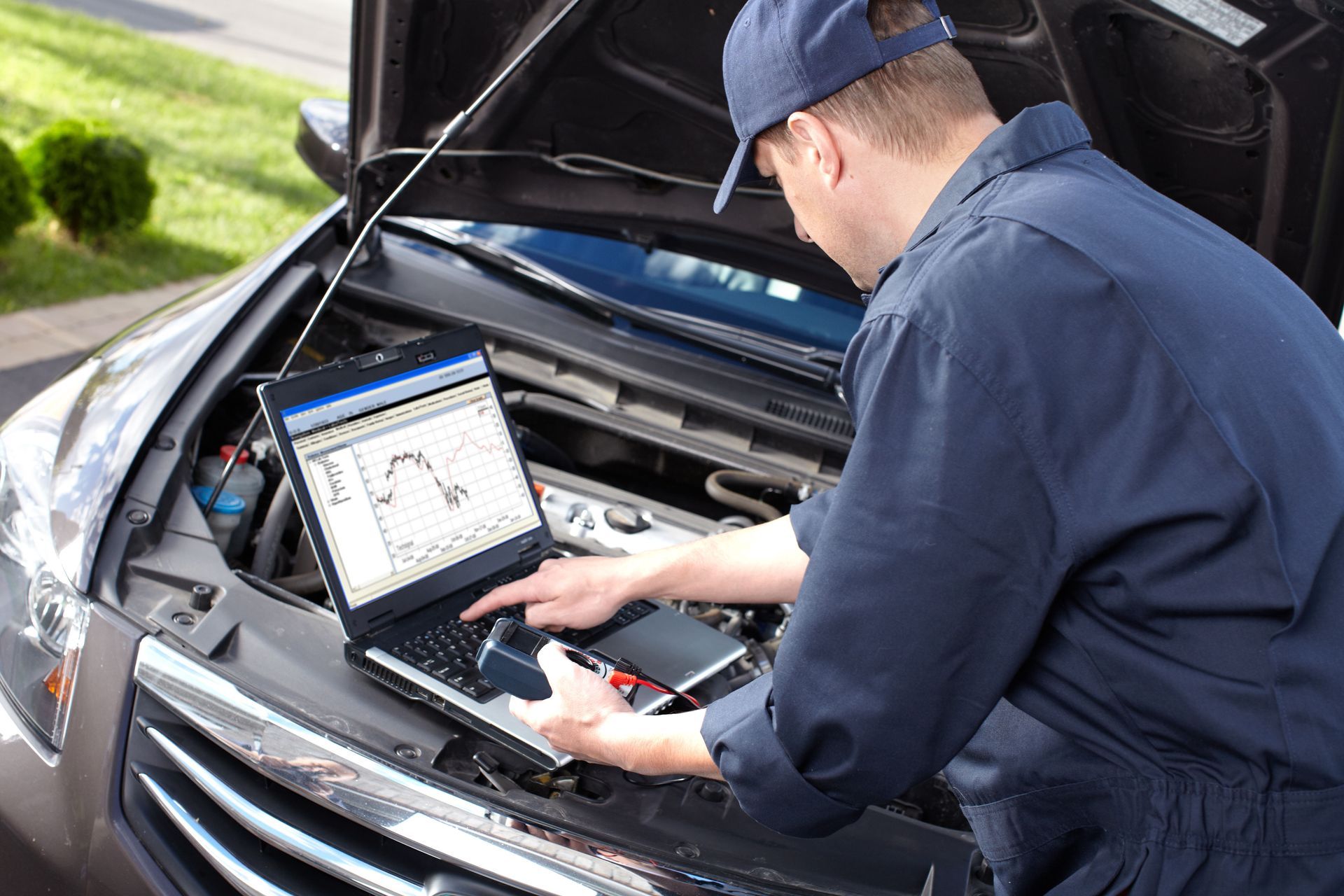
Professional tire maintenance involves much more than replacing worn tires. Regular inspections allow technicians to evaluate tread depth, inflation levels, overall condition, and wear patterns while identifying opportunities to maximize tire life.
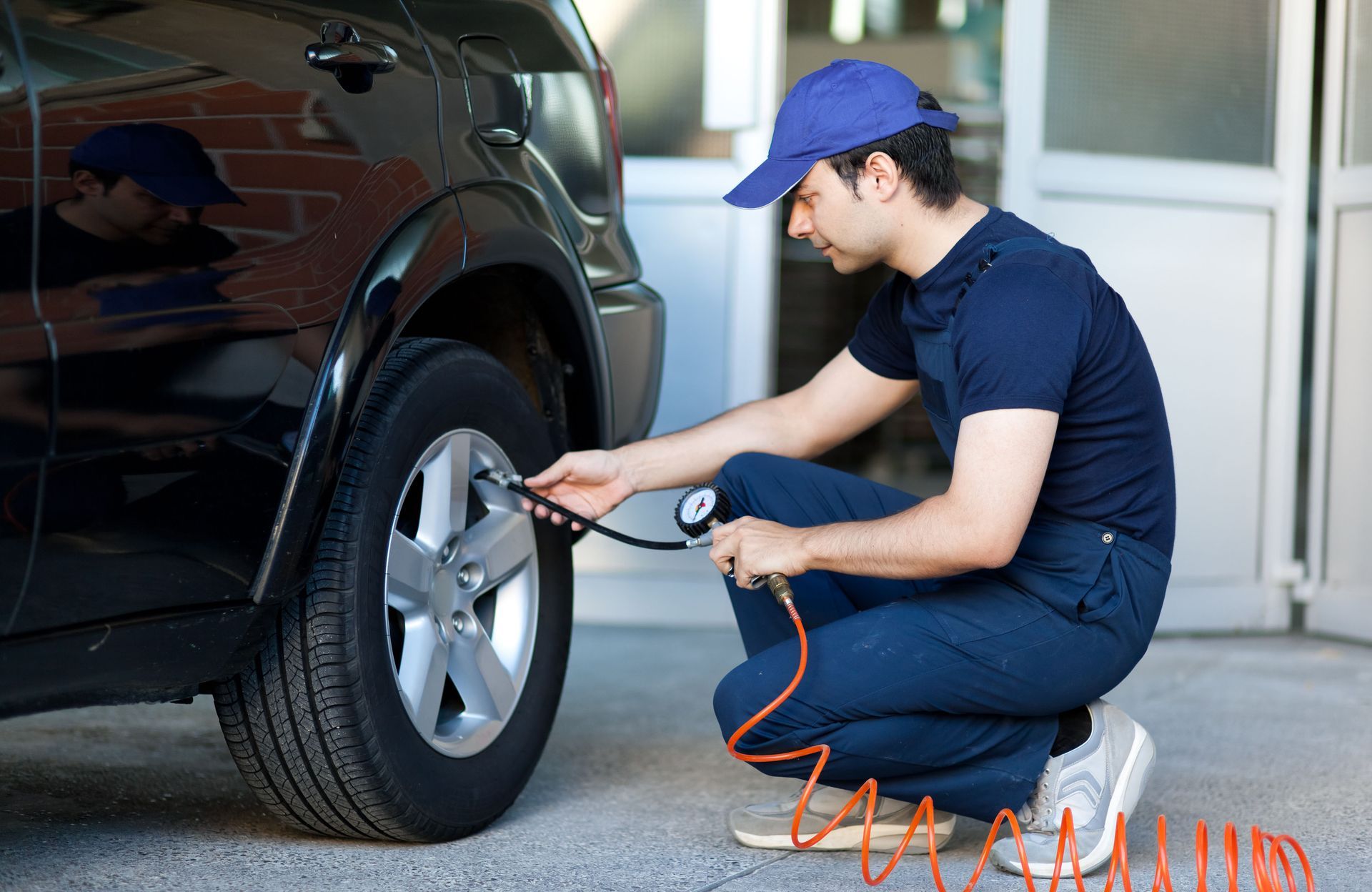
Proper inflation remains one of the most important factors affecting tire performance. Tires operating outside recommended pressure ranges may wear unevenly, generate additional heat, and influence fuel efficiency. Professional inspections help verify appropriate inflation while accounting for vehicle specifications and operational demands.
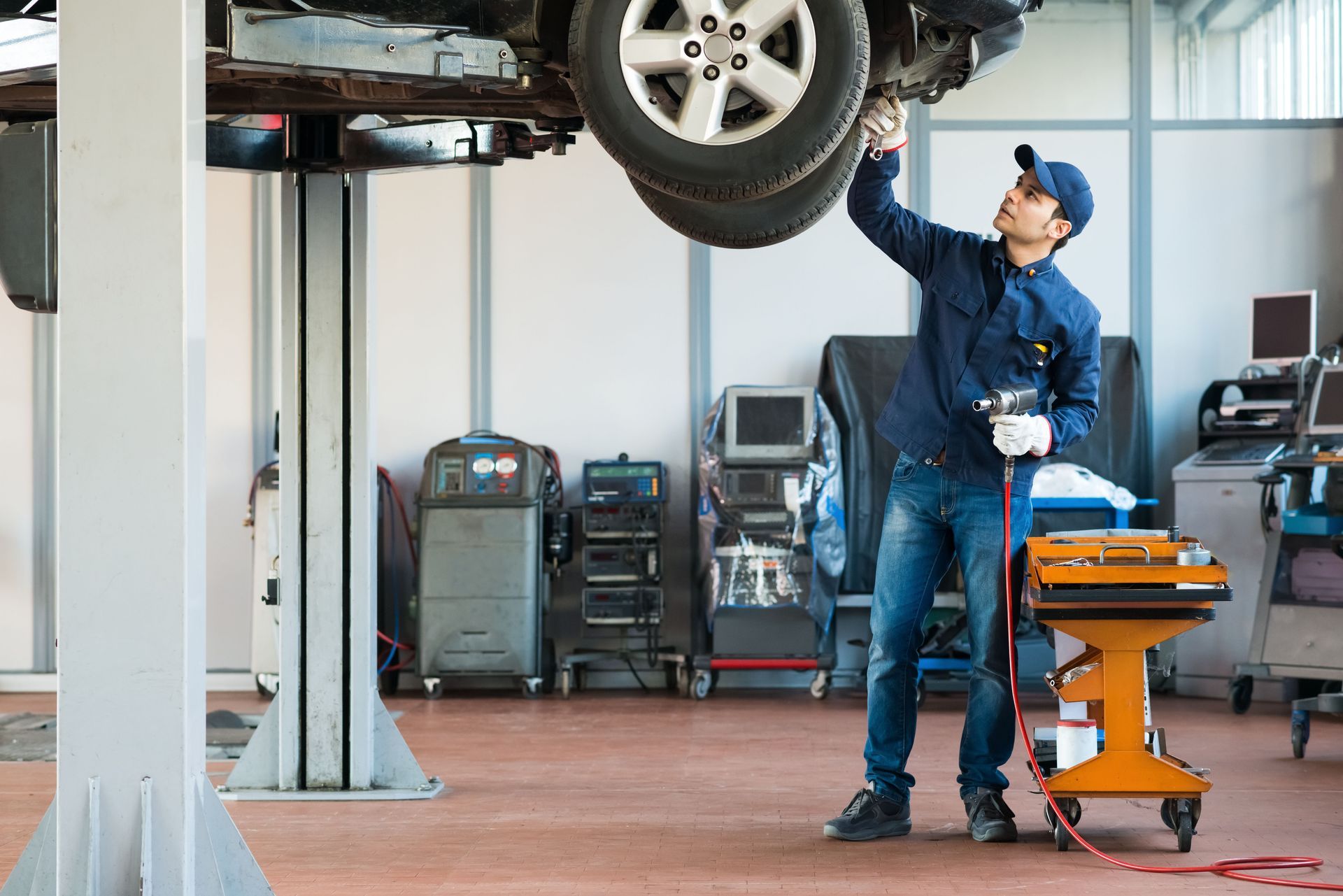
Wheel alignment also contributes to consistent tire performance. Commercial vehicles regularly travel over rough roads, construction zones, loading docks, and uneven pavement that may gradually affect alignment. Correct alignment helps distribute wear more evenly across each tire, supporting longer service life and smoother vehicle operation.
Balancing tires further contributes to comfortable driving and reduced vibration. Properly balanced tires help minimize unnecessary stress on suspension components while supporting predictable handling throughout daily commercial routes.
Choosing Tires That Match Business Needs
Every commercial operation places unique demands on its vehicles. Delivery trucks, construction equipment, utility vehicles, and service fleets all encounter different driving conditions that influence tire selection.
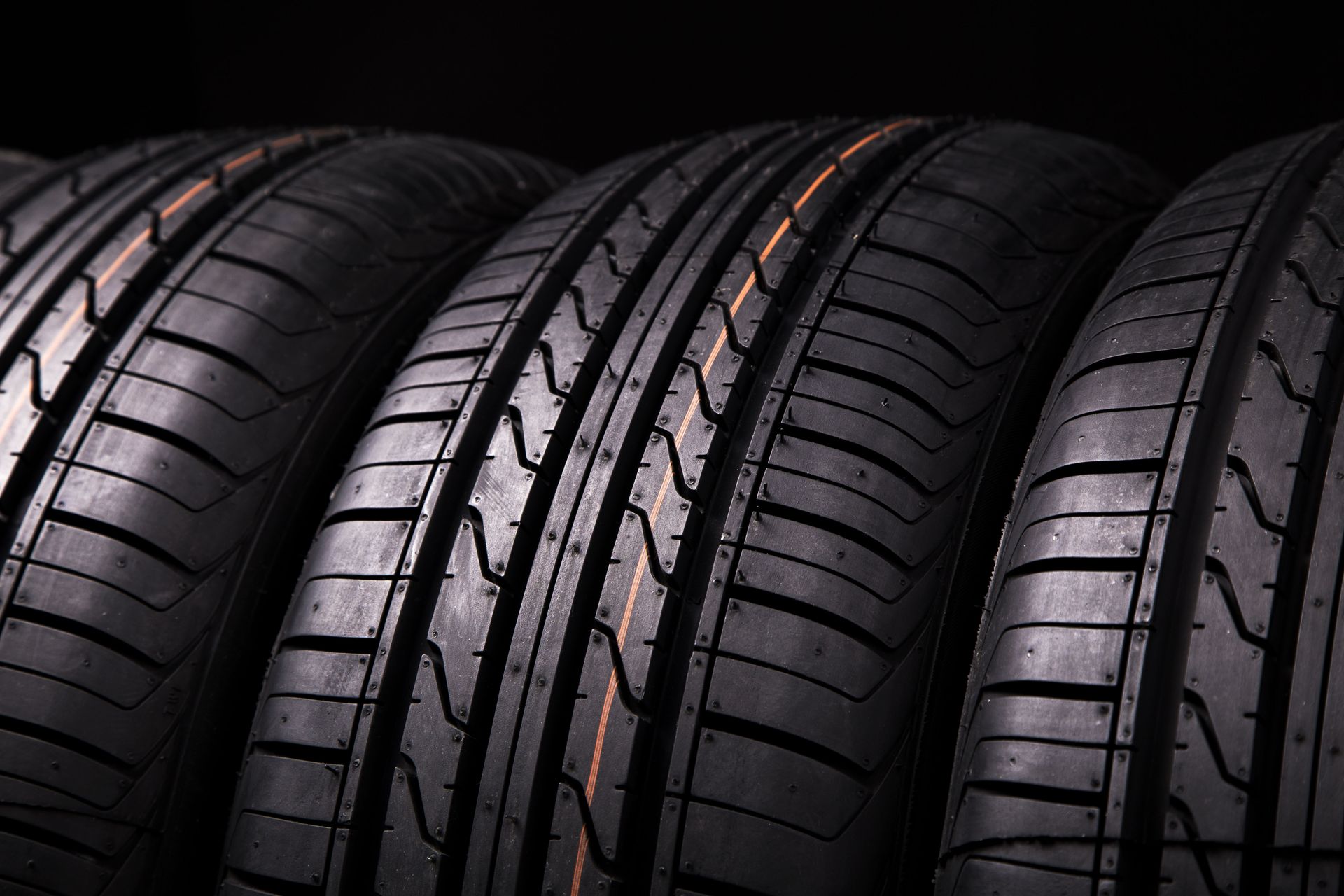
Professional guidance helps businesses select the best new tires based on vehicle type, expected mileage, operating environment, and load requirements. Highway-focused fleets may prioritize long tread life and fuel efficiency, while vehicles frequently traveling on mixed terrain may require different tread designs suited to changing surfaces.
Climate also plays an important role. Seasonal temperature changes, rain, and varying road conditions influence tire performance throughout the year. Selecting appropriate commercial tires allows businesses to better prepare for changing conditions while maintaining dependable vehicle operation.
Rather than relying on a one-size-fits-all approach, commercial tire professionals evaluate multiple factors before recommending suitable tire options. This personalized approach supports performance, durability, and operational efficiency over time.
Preventing Unexpected Downtime
Unexpected tire problems can disrupt schedules, delay deliveries, and increase operating expenses. Preventive maintenance helps reduce the likelihood of unplanned service interruptions while supporting business continuity.
Routine commercial inspections provide opportunities to identify developing concerns before they require emergency replacement. Small issues addressed during scheduled maintenance often prevent more significant repairs later. Businesses also benefit from predictable maintenance planning that minimizes interruptions to daily operations.
Maintaining tire condition contributes to overall fleet reliability. Vehicles equipped with the best new tires and monitored through regular professional service are better positioned to remain productive throughout demanding work schedules.
Reducing unexpected downtime benefits drivers, customers, and businesses alike by supporting dependable transportation and helping organizations maintain efficient operations.
Improving Overall Fleet Efficiency
Commercial tire maintenance influences more than tire longevity. Properly maintained tires contribute to vehicle efficiency in several interconnected ways.
Consistent tread condition helps maintain stable traction during acceleration, braking, and cornering. Even contact with the road surface supports predictable handling while reducing unnecessary stress on other vehicle systems.
Fuel efficiency may also benefit from properly maintained tires operating within recommended specifications. Rolling resistance, inflation levels, and tire condition all influence how efficiently commercial vehicles travel over long distances.
Fleet managers often recognize that investing in the best new tires represents only one part of an effective maintenance strategy. Ongoing inspections, timely service, and professional evaluations help maximize the value of every tire throughout its service life.
Maintaining consistent tire performance also contributes to scheduling reliability by helping commercial vehicles remain available for daily business operations.
Planning for Long-Term Tire Care
Successful fleet management involves planning rather than reacting to maintenance needs. Establishing regular service intervals allows businesses to monitor tire condition throughout each stage of use.
Professional technicians document wear patterns, evaluate performance trends, and recommend service based on observed conditions rather than waiting until problems become severe. This proactive approach helps businesses budget for maintenance while reducing unexpected operational disruptions.
As commercial vehicles accumulate mileage, tire performance naturally changes due to daily wear, varying road conditions, changing weather, and heavy workloads. Over time, tread depth decreases, and overall tire condition may affect handling, traction, and operational efficiency. Replacing worn tires with the best new tires at the appropriate time helps support dependable performance while maintaining consistent reliability across an entire commercial fleet. Timely replacement also helps businesses plan maintenance more effectively and reduce unexpected interruptions to daily operations.
Partnering with experienced commercial tire professionals gives businesses access to knowledgeable guidance tailored to their specific vehicles and operating conditions. Professionals evaluate tire wear, recommend suitable replacement options, assess alignment and inflation, and advise on inspection intervals and rotation schedules when applicable. Their expertise helps fleet managers make informed maintenance decisions based on vehicle demands rather than guesswork. This proactive approach supports long-term performance, promotes operational consistency, and helps commercial vehicles remain prepared for daily business responsibilities.
Building Confidence Through Professional Service
Commercial tire maintenance represents an ongoing investment in fleet performance, operational reliability, and long-term efficiency. Professional inspections help identify wear, evaluate tire condition, and recommend appropriate service before small concerns become larger operational challenges.
Businesses that prioritize routine maintenance often experience greater confidence in daily vehicle performance while supporting dependable transportation for employees, customers, and operations. Selecting the best new tires at the appropriate time and partnering with experienced professionals helps create a comprehensive maintenance strategy that supports commercial vehicles throughout every season.
Whether managing a single work truck or an entire fleet, consistent professional tire care remains an important part of responsible vehicle ownership. When businesses need trusted commercial tire expertise, Price Tires provides professional solutions designed to help commercial vehicles stay ready for the road with the best new tires and dependable service.