June 24, 2026
Understanding how to extend the life of your new tires not only saves money but also ensures safety and performance on the road. Choosing the best new tires is an exciting investment in the safety and efficiency of your vehicle. In this article, we explore key aspects to help you make the most of your tire purchase, providing actionable steps to enhance their longevity.
Adopt Driving Habits That Reduce Tire Wear
Driving habits play a crucial role in determining how long your new tires will last. Aggressive driving, such as rapid acceleration, sharp cornering, and sudden braking, can cause unnecessary wear. Maintaining a steady speed and gradually accelerating and slowing down can reduce tire stress. Consistently practicing smooth driving habits can lead to extended tread life and improved fuel efficiency. These habits also help maintain consistent traction and handling, especially during everyday driving conditions.
Another aspect of driving habits is the load carried by the vehicle. Frequently overloading a vehicle can significantly shorten the lifespan of your tires. It's important to check the vehicle's load capacity and adhere to it to prevent excessive tire wear. Keeping within load limits ensures even tire wear and maintains optimal performance of the best new tires. Proper weight distribution throughout the vehicle can further reduce strain on individual tires and suspension components.
Speeding can also compromise tire integrity, contributing to faster tread wear and increased risk of blowouts. Higher speeds result in increased tire temperature and pressure, which can exacerbate wear. Ensuring that you travel at safe and reasonable speeds not only prolongs tire life but also enhances vehicle safety. Remember, adjusting your driving habits is one of the simplest ways to extend tire lifespan.
Maintain Proper Tire Care and Routine Service
Regular maintenance is pivotal in maximizing the life of new tires. Ensuring the tires are properly inflated is at the core of tire care. Regularly checking and adjusting tire pressure to match environmental changes preserves their structural integrity and extends their life. Using a reliable tire pressure gauge each month can help identify issues before they lead to uneven wear or reduced fuel economy.
Tire rotation is another critical maintenance practice. Rotating tires ensures even distribution of wear, as front and rear tires wear at different rates. From our experience, it's recommended to rotate tires every 5,000 to 8,000 miles. This simple procedure can significantly enhance the longevity of your best new tires. Following a consistent rotation schedule allows all four tires to wear more evenly and perform more effectively.
Additionally, alignment checks are important in the routine maintenance of tires. Misaligned wheels can cause uneven tire wear, resulting in premature tire replacement. Scheduling alignment checks with your mechanic, especially after hitting large potholes or curbs, can save money and extend the life of your tires. Taking these precautionary measures contributes to maintaining optimal tire health and safety.
Navigate Road Conditions With Tire Longevity in Mind
Road conditions can greatly affect how long your tires will last. Driving frequently on rough or unpaved surfaces can lead to increased tire wear due to uneven and sharp surfaces. Choosing your routes wisely and, when possible, favoring smoother roads can prevent excessive tire wear. Well-maintained roads contribute significantly to the longevity of the best new tires. Reducing speed on rough surfaces can also help minimize impacts that contribute to tire damage over time.
Hazardous road conditions like potholes, debris, and unanticipated obstacles pose further risk to tire integrity. Hitting obstacles or potholes can cause immediate tire damage or misalignment, reducing lifespan. It’s advisable to maintain a safe distance from the vehicle in front of your vehicle, to allow avoidance maneuvers if needed. Remaining vigilant and cautious will protect tires and promote long-term use. Regular visual inspections can help identify cuts, bulges, or other signs of damage caused by road hazards.
Weather conditions also contribute significantly to how road surfaces wear down tires. Areas with frequent rain or snow can make roads slippery, necessitating extra caution to avoid sharp turns or hard braking. Road salts used in winter can also impact tire life. Understanding and adapting to these conditions as a driver can be pivotal in extending your tires' usage.
Choose High-Quality Tires Designed for Durability
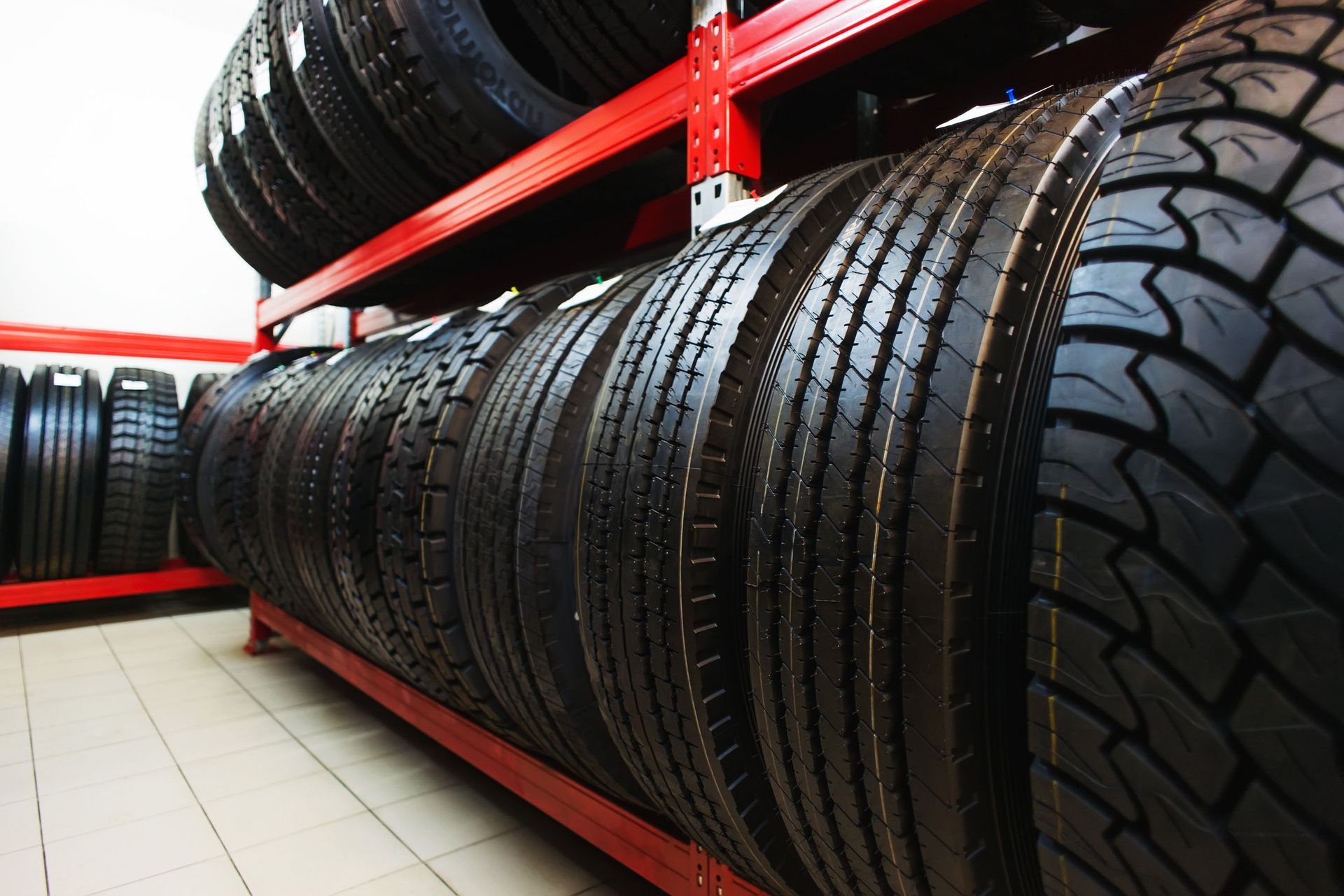
The quality of tires inherently affects their durability and lifespan. Investing in the best new tires often means selecting those with superior materials and construction. Brand reputation usually gives insight into qualitative standards, ensuring peace of mind about the product's performance. Tires of higher quality are designed to withstand varied conditions reliably, offering longevity compared to less durable alternatives. Although premium tires may cost more initially, their extended lifespan often provides greater long-term value.
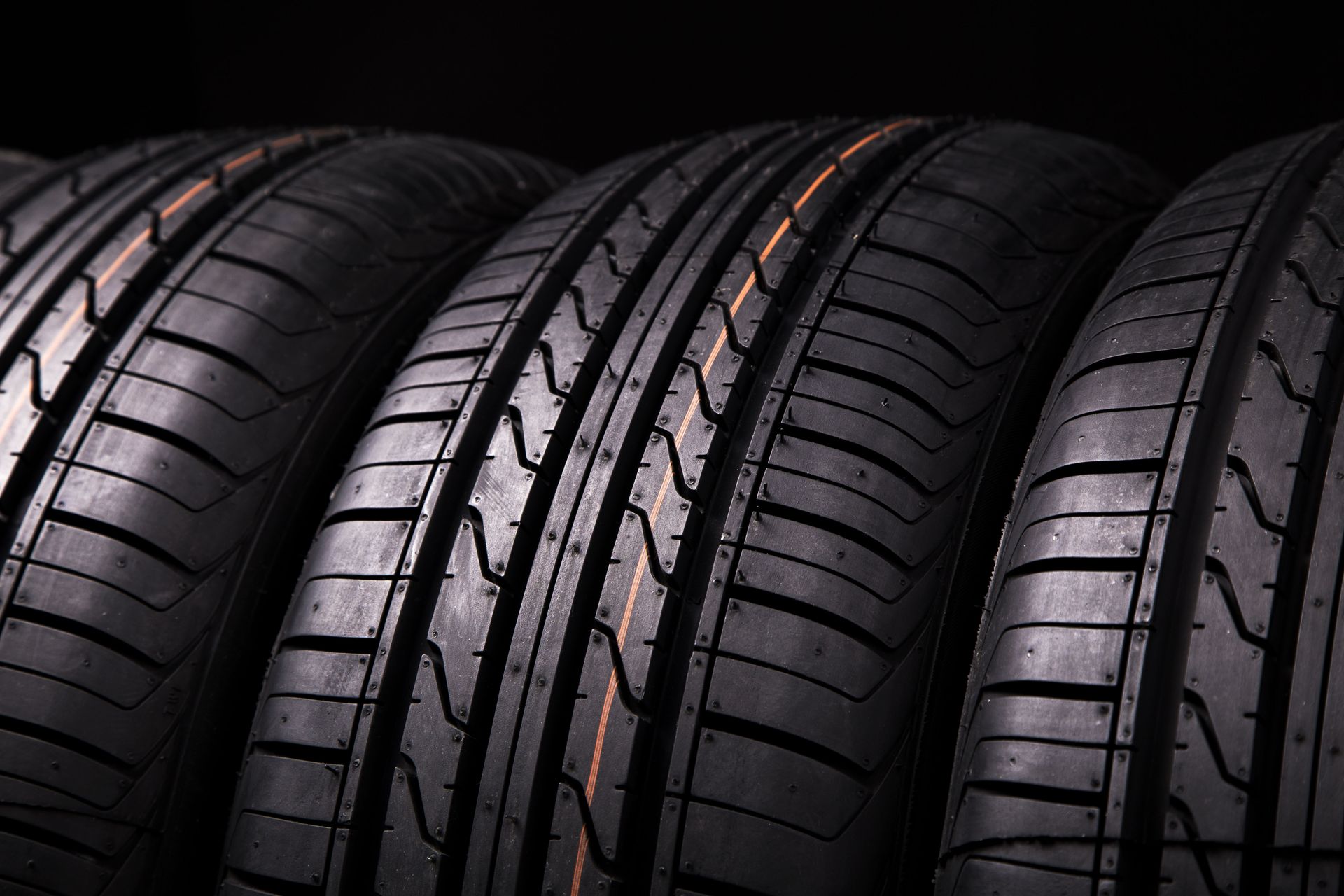
Tire technology continues to evolve, aimed at improving traction, fuel efficiency, and wear resistance. Features such as improved tread patterns, reinforced sidewalls, and enhanced rubber compounds contribute to overall tire performance and longevity. Researching and understanding these tire technologies can inform your purchase decisions, potentially leading to reduced wear over time. The choice of high-quality tires aligns with proactive care strategies. Staying informed about advancements in tire design can help you select products that better match your needs.
It’s important to consider the specifications recommended by the vehicle manufacturer when selecting tires. Vehicle-specific guidelines ensure compatibility and optimized performance, preventing unnecessary strain on tires. Adhering to these guidelines forms part of a holistic approach to vehicle and tire maintenance. Ensuring your tires meet these specifications facilitates an extended lifespan of the tires under regular use. Consulting your owner's manual before purchasing tires can help ensure you choose the most suitable option for your vehicle.
Monitor Weather and Temperature Changes Year-Round
The environment, particularly temperature fluctuations, plays a significant role in tire longevity. As temperatures change, so does tire pressure, impacting tire performance. Vehicles driven in varying weather conditions may need more frequent tire pressure checks. According to the U.S. Tire Manufacturers Association, tire inflation pressure can change by one or two pounds for every 10 degrees in temperature fluctuation, a critical consideration for tire maintenance. Making seasonal pressure adjustments can help maintain proper contact between the tire and the road surface.
Extremely hot weather accelerates tire wear as rubber compounds can soften, making tires more prone to damage. Conversely, colder temperatures can cause under-inflation, leading to sidewall stress and reduced tread life. It's crucial to monitor environmental conditions and adjust tire pressure accordingly to maintain proper performance. Proactive adjustments to tire care in response to weather conditions are practical steps to extending tire lifespan.
Seasonal changes may also require shifting to specialized tires, such as winter tires, to maintain optimal tire condition. Tires crafted specifically for winter ensure safety and performance in snowy or icy conditions, whereas all-season tires may wear out more quickly under such stress. Evaluating your regional weather patterns will aid in selecting the appropriate tire type for year-round use, serving both safety and longevity purposes. Awareness and action on these factors significantly contribute to the tire's longevity.
By following these guidelines, you can extend the lifespan of your best new tires, ensuring they provide optimal performance throughout their use. Regular maintenance and mindful driving habits are essential components of tire care. Understanding how road conditions and environmental factors influence your tires can empower smarter decisions for tire selection and care. Investing effort into these areas not only promotes safety but also represents significant cost savings in the long run. Maintaining tire health is an ongoing process that requires the vehicle owner’s attention and action for maximum results. Reach out to Price Tires to learn more about our best new tires today.