August 25, 2026
Your vehicle plays an important role in everyday life, from commuting to work and handling errands to traveling with family and managing unexpected responsibilities. Because modern vehicles contain numerous mechanical, electrical, and computerized systems, even a relatively small problem can affect how safely and reliably a vehicle operates. Recognizing when professional service is necessary can help prevent minor concerns from becoming larger repairs.
Knowing when to seek local auto repair can also make vehicle ownership more manageable. Warning signs such as unusual noises, changes in handling, dashboard alerts, fluid leaks, or declining performance should not automatically be dismissed as normal wear. Professional technicians can inspect the vehicle, identify potential causes, and recommend appropriate service based on its condition. A proactive approach can help support dependable transportation while protecting the vehicle's long-term performance.
Recognizing Unusual Vehicle Noises
Unfamiliar noises are often among the first indications that something has changed within a vehicle. Squealing, grinding, clicking, knocking, humming, or rattling sounds can originate from different components, including the brakes, suspension, engine, or drivetrain. The location, timing, and frequency of a sound can provide useful information during a professional inspection.
A local auto repair provider can evaluate unusual sounds and determine whether they indicate normal operation or a developing mechanical concern. Addressing unfamiliar noises promptly can make it easier to identify problems while they are still relatively contained. Ignoring a new sound may allow an underlying issue to worsen and potentially affect other components.
Monitoring Dashboard Warning Lights
Modern vehicles use warning lights to alert drivers when systems may require attention. These indicators can relate to the engine, braking system, battery, tire pressure, airbag system, or other important components. Although some alerts may involve relatively minor conditions, others can indicate issues that require prompt professional evaluation.
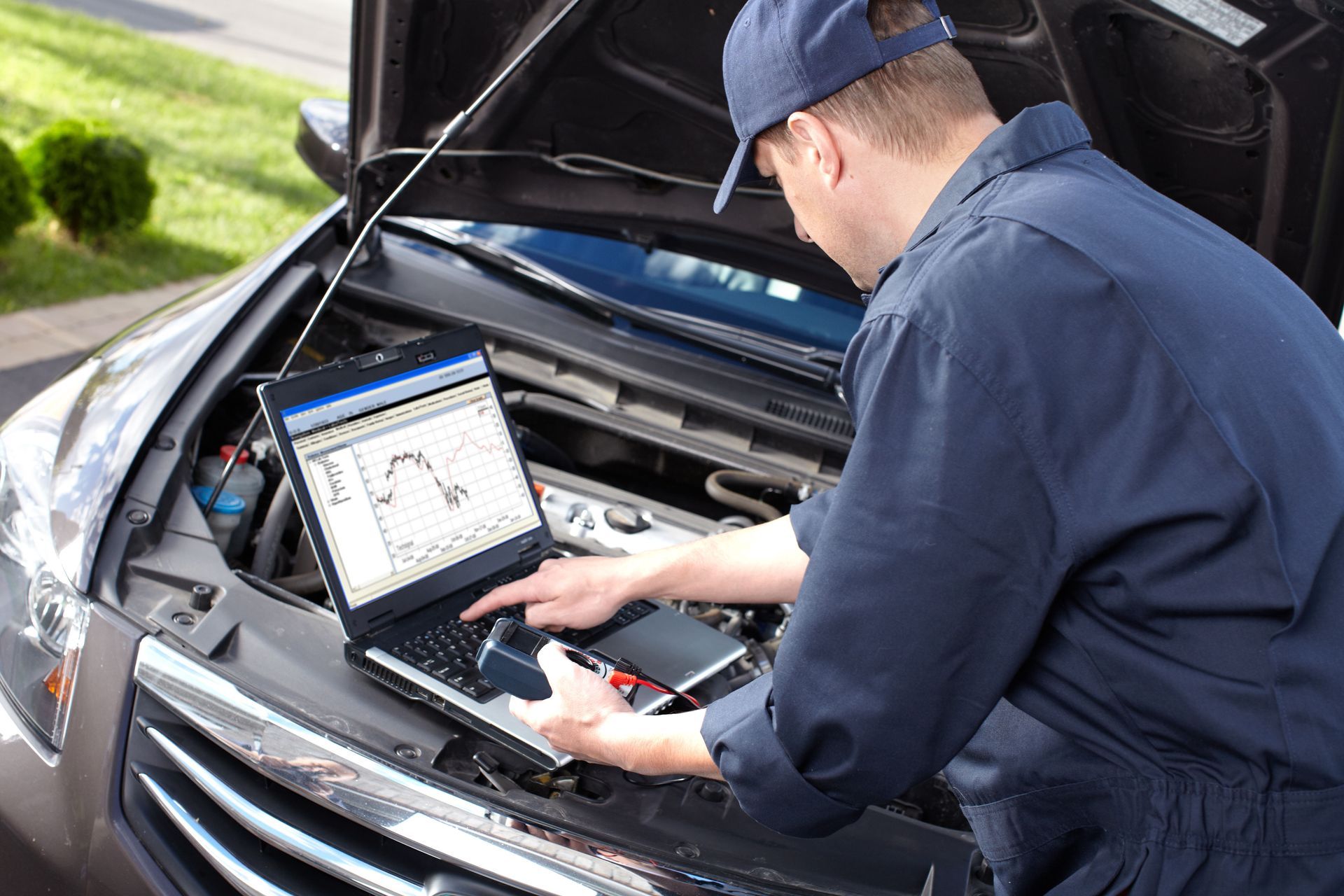
A local auto repair technician can use appropriate diagnostic equipment to investigate warning lights and retrieve relevant information from the vehicle's computer systems. This process can help narrow down the source of the problem instead of relying solely on visible symptoms. Professional diagnostics are especially valuable when an alert remains illuminated or appears alongside changes in vehicle performance.
Evaluating Changes in Vehicle Handling
Changes in how a vehicle steers, brakes, accelerates, or responds to the road can indicate that a mechanical system needs attention. Pulling to one side, excessive vibration, uneven steering response, or unusual movement over bumps may involve tires, suspension components, steering systems, or wheel alignment.
These changes can affect both driving comfort and vehicle control, making professional evaluation important. A local auto repair shop can inspect the relevant systems and determine whether worn or damaged components may be contributing to the change. Addressing handling concerns can help maintain a more predictable driving experience.
Addressing Brake Performance Changes
Brakes are among the most important safety-related systems on any vehicle. Changes in braking performance should therefore receive professional attention rather than being treated as an ordinary inconvenience. Symptoms can include squealing, grinding, vibration, a soft pedal, increased stopping distance, or unusual pedal behavior.
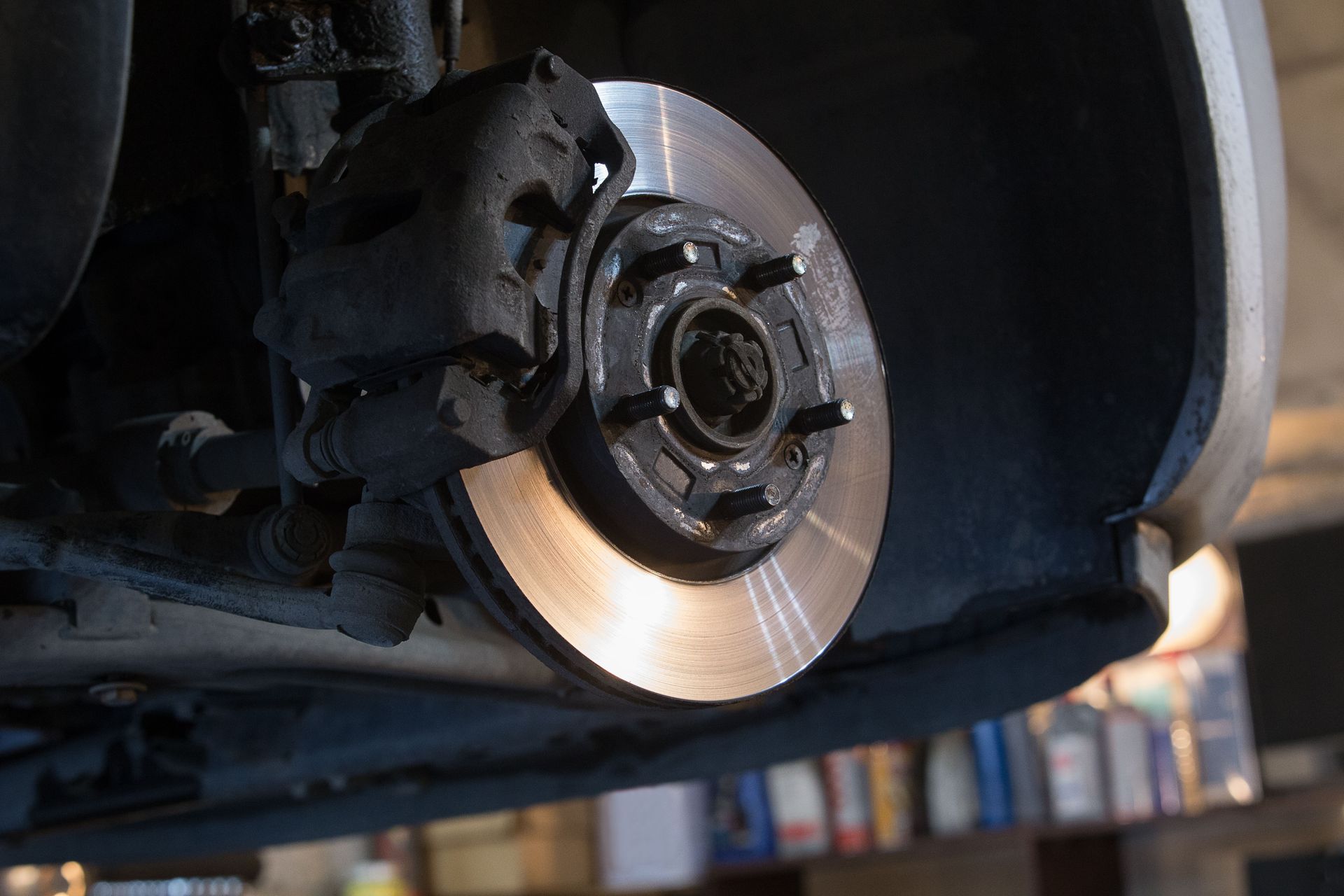
Professional technicians can inspect brake pads, rotors, calipers, hydraulic components, and other related systems to determine what may be affecting performance. A local auto repair provider can also identify wear that may not yet produce obvious symptoms. Regular professional brake inspections can help homeowners and drivers stay aware of the condition of this essential system.
Responding to Fluid Leaks
Visible fluid beneath a parked vehicle can indicate a concern that deserves investigation. Vehicles rely on several fluids for lubrication, cooling, braking, transmission operation, and other functions. The location and characteristics of a leak can help professionals determine which system may be involved.
A local auto repair technician can inspect the vehicle to identify the source and evaluate whether components have been affected. Prompt attention is particularly important when fluid loss may interfere with the operation of a major mechanical system. Addressing leaks early can help reduce the risk of continued fluid loss and related damage.
Investigating Starting Problems
Difficulty starting a vehicle can result from several different causes. A weak battery, charging-system issue, starter problem, fuel-related concern, or electrical fault can all contribute to starting difficulties. When a vehicle begins requiring multiple attempts to start, the change should not be overlooked.
Professional technicians can test the starting and charging systems and inspect related components. A local auto repair provider can use diagnostic testing to distinguish between possible causes and identify the appropriate service. Early evaluation may help prevent an unexpected no-start situation from occurring at an inconvenient time.
Examining Engine Performance Changes
The engine's performance can provide useful clues about its condition. Hesitation, rough idling, reduced acceleration, stalling, unusual exhaust, or declining fuel efficiency may indicate that one or more systems require professional attention. These symptoms can have several possible causes, so accurate diagnosis is important.
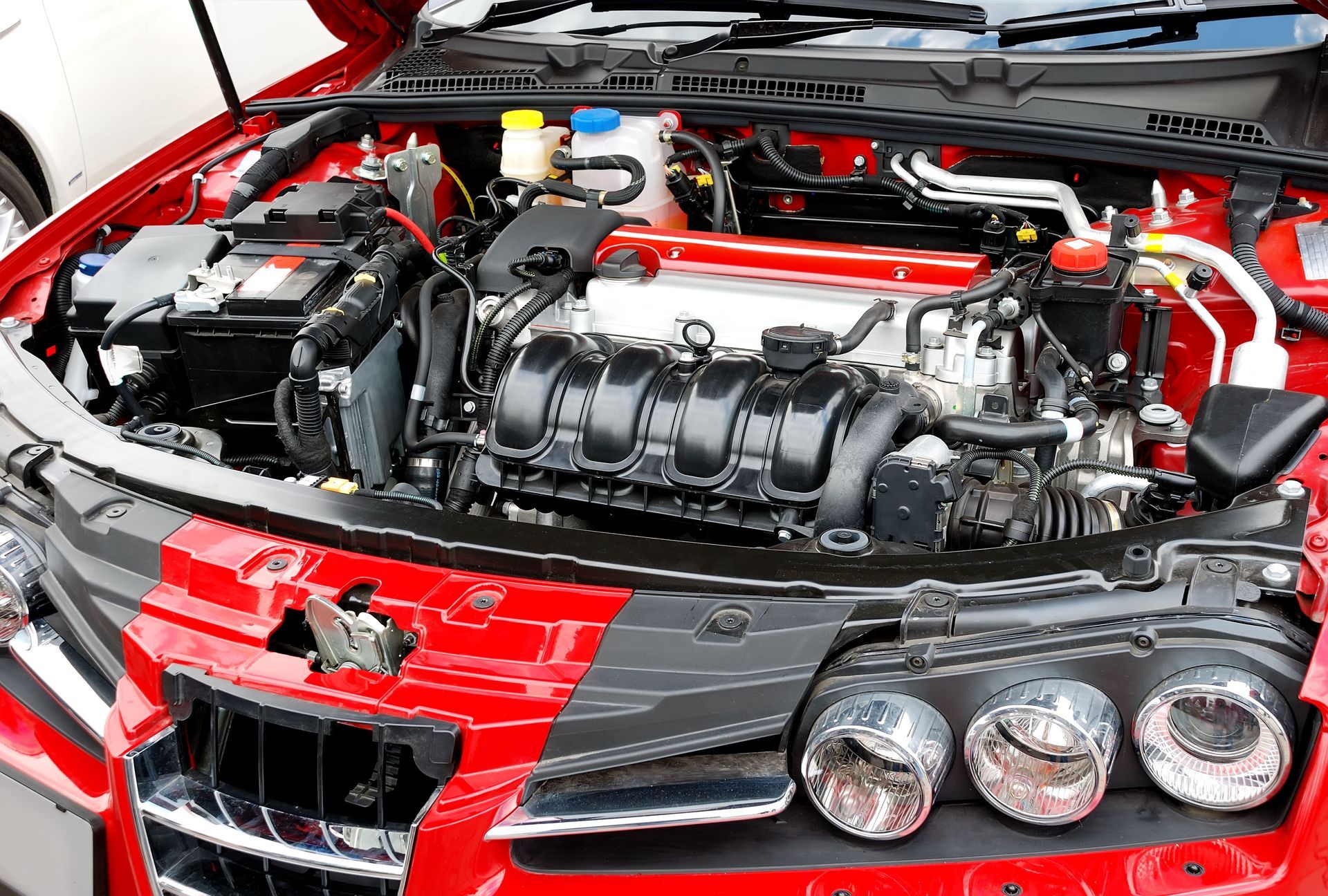
A local auto repair team can inspect engine-related systems and use diagnostic information to determine where the problem may originate. Professional evaluation can help identify issues involving ignition, fuel delivery, sensors, emissions components, or other systems. Addressing performance changes early can support smoother and more dependable vehicle operation.
Investigating Transmission Symptoms
The transmission plays a critical role in transferring engine power to the wheels. Changes such as delayed engagement, slipping, harsh shifting, unusual noises, or difficulty selecting gears can indicate that the transmission or related components require attention. Ignoring these symptoms can allow an existing concern to become more complicated.
Professional technicians can evaluate transmission performance and inspect related systems to determine what may be causing the symptoms. A local auto repair provider can recommend appropriate service based on the vehicle's condition rather than assuming every transmission problem requires the same solution. Early assessment can provide valuable information about the next steps for maintaining the vehicle.
Addressing Steering and Suspension Concerns
Steering and suspension components affect how a vehicle responds to the road. Worn shocks, struts, steering components, bushings, or other parts can contribute to excessive bouncing, uneven tire wear, steering changes, or unusual noises. These symptoms can become increasingly noticeable as components wear.
Professional inspections allow technicians to evaluate the condition of these systems and identify components that may require service. A local auto repair shop can assess related parts together because one worn component may affect the performance of others. Maintaining these systems can contribute to more controlled handling and a more comfortable ride.
Responding to Electrical Problems
Modern vehicles depend heavily on electrical systems. Problems with lights, power accessories, starting, charging, sensors, displays, or other electronic features can indicate an electrical concern. Because many vehicle systems are interconnected, diagnosing these issues can require specialized equipment and technical knowledge.
Professional technicians can test electrical circuits and relevant components to identify potential faults. A
local auto repair provider can investigate recurring electrical symptoms and determine whether the issue involves the battery, alternator, wiring, sensors, or another component. Accurate diagnosis is especially important when electrical problems appear intermittently.
Considering Preventive Vehicle Service
Professional service is not only appropriate when a vehicle develops obvious symptoms. Preventive maintenance can help identify wear before it becomes a more disruptive problem. Routine inspections can include evaluating fluids, filters, brakes, tires, belts, batteries, and other components according to the vehicle's needs.
According to IBISWorld, the U.S. auto mechanics industry is projected to reach a market size of $92.1 billion in 2026. The size of this industry reflects the ongoing need for professional vehicle maintenance and repair services. Keeping up with appropriate service intervals can give drivers more information about their vehicle's condition and help support reliable transportation.
At Price Tires, we understand how important dependable vehicle performance is to your daily life. Our team is ready to provide professional automotive services and help identify concerns that may affect your vehicle's reliability, safety, and performance. Contact Price Tires today to schedule service and keep your vehicle ready for the road.